







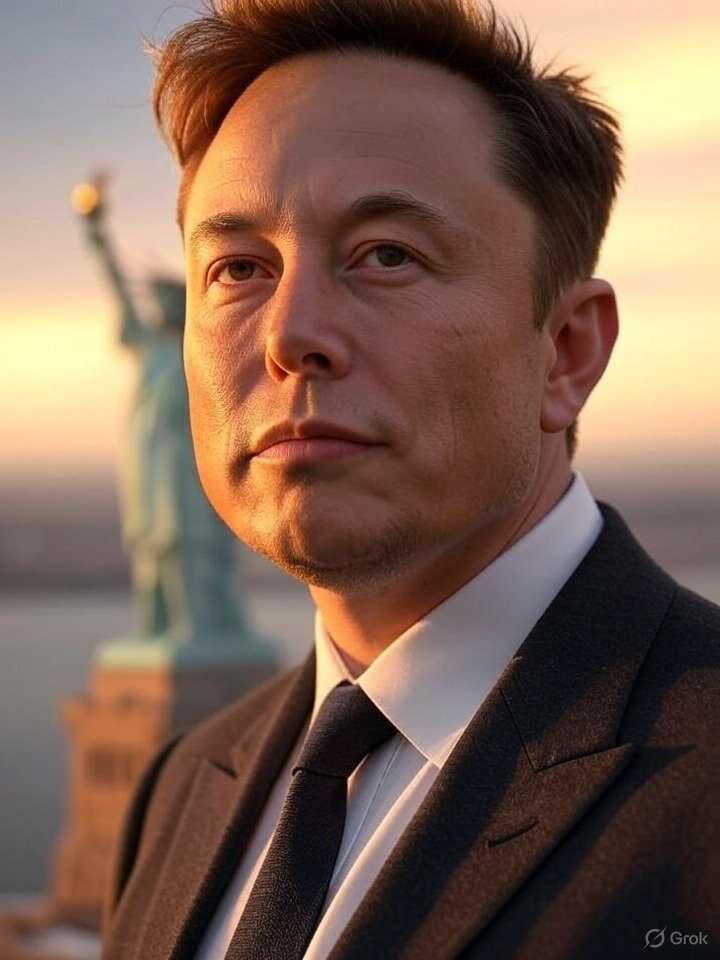
Recent analyses reveal a striking pattern: approximately 90% of media coverage about Elon Musk, the billionaire entrepreneur and CEO of Tesla, SpaceX, and X Corp, is negative. This overwhelming slant paints Musk, often celebrated as an American patriot for his contributions to technology and free speech, as a polarizing figure. The Media Research Center (MRC) conducted a study showing that 96% of coverage from major outlets like CNN, MSNBC, and The New York Times frames Musk in a negative light, focusing on controversies rather than his achievements in space exploration, electric vehicles, or challenging establishment norms.
This negative bias is not merely a matter of critical reporting but suggests a coordinated effort to shape public perception. Posts on X have echoed this sentiment, with users like
@VigilantFox and
@cb_doge highlighting the disparity, noting that while Musk is vilified, figures involved in criminal activities often receive more favorable coverage. For instance, Victor Davis Hanson, a prominent historian, recently called out the media’s “incomprehensible” bias, arguing it distorts Musk’s role in advancing humanity through innovation.
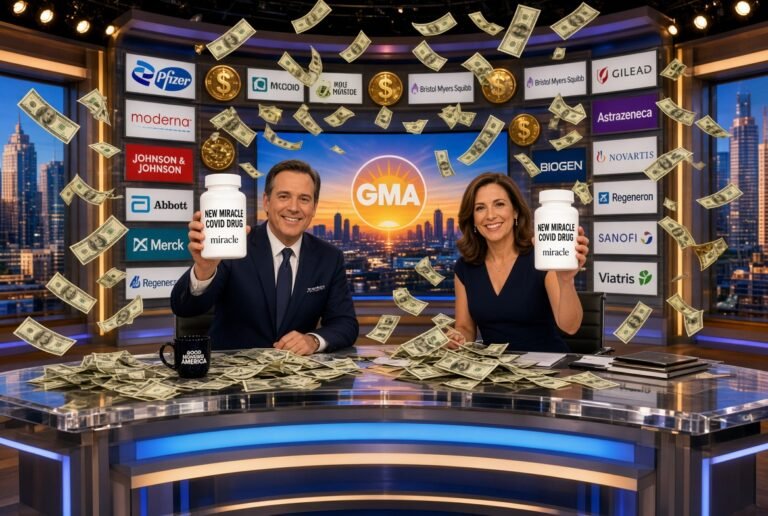
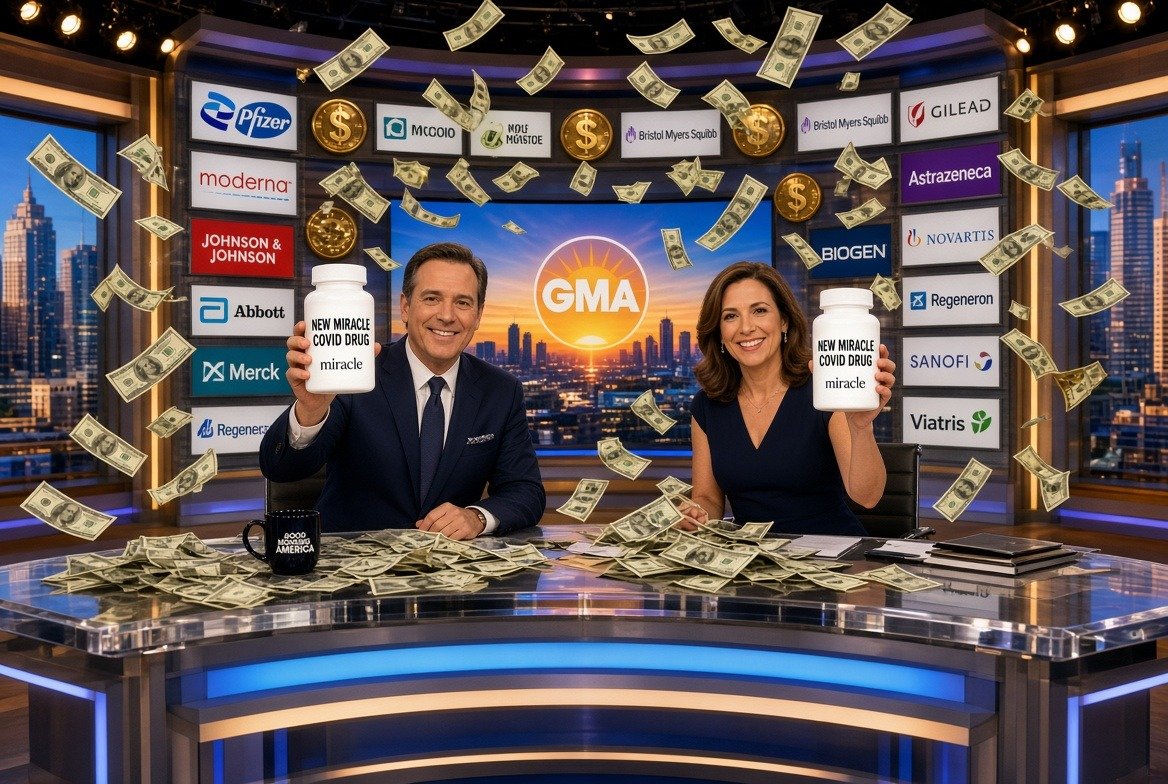
A glaring example of media manipulation is the near-total silence surrounding Musk’s 2023 acquisition of Twitter (now X). Despite its monumental implications for free speech and digital discourse, mainstream outlets provided minimal coverage, focusing instead on trivial controversies or Musk’s personal behavior. This selective reporting suggests a deliberate effort to downplay events that don’t fit a predetermined narrative. When Musk exposed government censorship on Twitter, revealing the extent of federal influence over content moderation, major networks like ABC and NBC barely mentioned it, opting for stories that framed him as erratic or irresponsible.
The contrast is stark: Musk’s efforts to democratize information and challenge institutional power are sidelined, while outlets amplify criticism of his business decisions or public statements. This pattern fuels speculation of a controlled media narrative, where outlets prioritize agendas over objective reporting. As Hanson noted, the media’s “upside-down” approach protects villains while smearing heroes. The public, however, is increasingly turning to platforms like X for unfiltered perspectives, signaling a growing distrust in traditional media’s portrayal of figures like Musk.
Links:














+ There are no comments
Add yours