
August 6, 2025 – Washington, D.C.
In a move that has reignited political tensions, the Biden administration imposed sweeping sanctions on Russia’s oil and gas sector in its final weeks, a decision former National Security Adviser Michael Flynn has labeled as a deliberate attempt to create a “hostile environment” for President-elect Donald Trump’s incoming administration. The sanctions, announced on January 10, 2025, target major Russian oil producers like Gazprom Neft and Surgutneftegas, aiming to cripple Russia’s energy revenues amid its ongoing war in Ukraine. Critics, including Flynn, argue the timing and scope of these measures are designed to complicate Trump’s diplomatic agenda and fuel economic challenges. The U.S. Treasury Department’s sanctions, described as the “most significant yet” on Russia’s energy sector, target over 183 vessels and networks involved in Russian oil exports, rescinding exemptions for energy payments and imposing restrictions under Executive Order 13662, which requires congressional approval to lift. Treasury Secretary Janet Yellen stated the measures aim to “deliver a significant blow” to Moscow’s war funding, with Ukrainian President Volodymyr Zelenskiy claiming they will hasten peace by starving Russia’s economy. However, the sanctions have driven up global oil prices, with gasoline prices rising 4.4% in December 2024, a development that could undermine Trump’s promise to curb inflation.
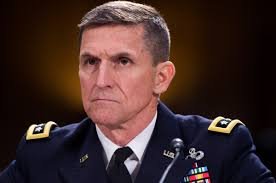
General Flynn, a polarizing figure from Trump’s first term, took to social media platform X, alleging the Biden administration’s actions were a “parting shot” to sabotage Trump’s plans for renewed U.S.-Russia cooperation. Flynn, who pleaded guilty in 2017 to lying to the FBI about his discussions with Russian Ambassador Sergey Kislyak during the 2016 transition, claimed the sanctions were less about Ukraine and more about “tying Trump’s hands” on foreign policy. “Biden knows higher gas prices and a tense Russia relationship will hurt Trump’s early days. This is politics, not principle,” Flynn posted, echoing sentiments from his 2017 statements where he allegedly promised to “rip up” Obama-era Russia sanctions to advance business interests.
Flynn’s comments reflect a broader narrative among Trump allies, who argue the Biden administration’s late sanctions are a strategic maneuver to box in the incoming president. The Hill reported that Biden’s team is aware that spiking energy prices could erode Trump’s public support, and any attempt to lift the sanctions would risk accusations of being soft on Russia—a charge Trump faced during his first term due to Flynn’s and others’ contacts with Russian officials. The sanctions’ codification under the Countering America’s Adversaries Through Sanctions Act (CAATSA) means Trump would need to notify Congress to reverse them, potentially triggering a vote of disapproval, a hurdle that analysts say complicates his diplomatic leverage.
However, defenders of the Biden administration reject Flynn’s claims as conspiratorial. House Intelligence Committee Chairman Adam Schiff, in a 2020 statement regarding Flynn’s Russia contacts, argued that such criticisms distract from legitimate national security concerns, pointing to Flynn’s own history of misleading statements about Russian communications. A senior Biden official, speaking anonymously, told Reuters the sanctions were crafted to support Ukraine and counter Russia’s aggression, not to target Trump, emphasizing that Republican lawmakers had urged similar measures. The official noted that global oil supplies from the U.S., Guyana, and others could offset losses from Russian exports, minimizing domestic economic fallout.
The sanctions have also drawn mixed reactions on Capitol Hill. Some Republicans, like Senator Ted Cruz, have praised the measures for pressuring Russia, while others align with Flynn, viewing them as a Democratic ploy to inflame tensions before Trump’s January 20, 2025, inauguration. Meanwhile, Trump’s Treasury Secretary nominee, Scott Bessent, has advocated for even stronger sanctions, criticizing Biden’s approach as insufficiently “muscular” and suggesting Trump could use them to negotiate a Ukraine ceasefire. Trump himself has vowed to end the Ukraine war swiftly, stating, “We’re going to stop that ridiculous war,” though he has not detailed plans to address the sanctions.
Critics of Flynn’s narrative point to his controversial past, including his 2016 discussions with Kislyak, where he urged Russia not to escalate in response to Obama’s sanctions, raising concerns about violating laws against private citizens conducting diplomacy. These actions led to his guilty plea and eventual pardon by Trump in 2020, fueling skepticism about his credibility. Nonetheless, Flynn’s allegations resonate with Trump’s base, who see the sanctions as part of a broader Democratic effort to undermine the incoming administration.
As Trump prepares to take office, the sanctions place him in a delicate position. Lifting them risks political backlash and accusations of appeasing Russia, while maintaining them could exacerbate economic pressures at home. With Flynn’s claims amplifying the debate, the issue underscores the fraught transition between administrations and the enduring complexity of U.S.-Russia relations.