
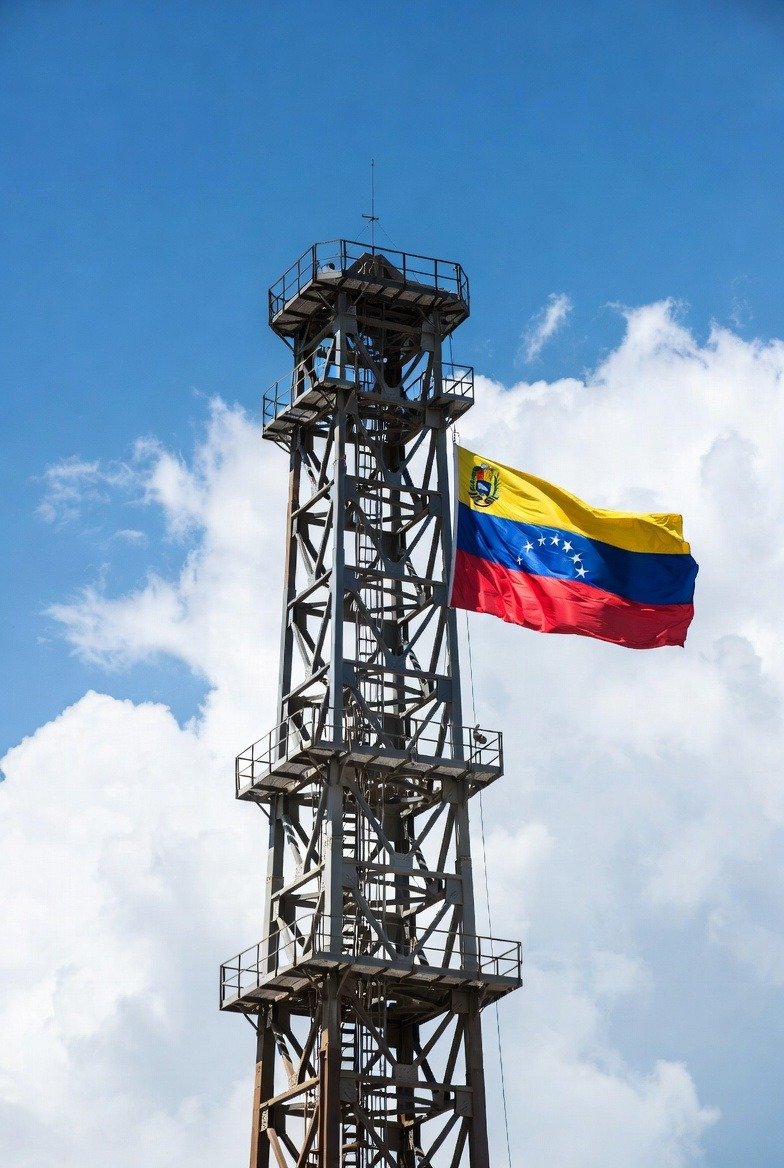
While mainstream media often touts Venezuela’s vast oil reserves as a potential game-changer for global energy markets, especially amid recent geopolitical shifts, they conveniently overlook a critical flaw: the poor quality of this crude. Venezuelan oil, predominantly from the Orinoco Belt, is classified as heavy and sour—dense, viscous like tar, and laden with high sulfur content.
This makes it far more challenging to refine compared to lighter, sweeter crudes from places like the U.S. shale fields or Saudi Arabia.Heavy sour oil requires specialized refining processes to remove impurities and break down its thick composition into usable products like gasoline and diesel.
Without blending with diluents or upgrading, it doesn’t flow easily through pipelines, increasing extraction and transportation costs. U.S. Gulf Coast refineries are equipped for this, but even they face higher maintenance due to corrosion from sulfur and metals.
This inefficiency means Venezuelan oil yields less high-value fuel per barrel, contributing to why production has plummeted despite massive reserves.The media’s silence on these realities paints an overly optimistic picture, ignoring how quality issues hinder quick rebounds and inflate global prices. In a world pushing for cleaner energy, relying on such subpar crude could delay transitions and burden economies further.
Links:
- https://www.theguardian.com/business/2026/jan/05/venezuelan-crude-oil-appeals-to-us-refineries
- https://cleantechnica.com/2026/01/06/why-venezuelas-oil-wont-matter-and-why-heavy-crude-is-first-off-the-market/
- https://www.britannica.com/science/How-Much-Oil-Does-Venezuela-Have-and-How-Much-Is-Accessible