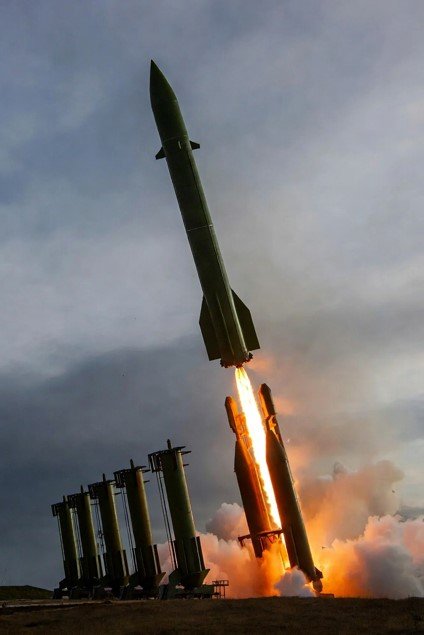
The nuclear programs of North Korea and Iran have posed persistent threats to global security, with U.S. policies evolving across Democratic and Republican administrations. Critics often point to partisan failures, but a closer look reveals complex diplomacy aimed at curbing proliferation, amid accusations of profiting from prolonged chaos through defense spending and international tensions.
North Korea’s nuclear pursuits trace back to the 1950s, with Soviet assistance laying early foundations. Under President Bill Clinton (Democrat), the 1994 Agreed Framework sought to freeze Pyongyang’s program by providing energy aid and light-water reactors in exchange for dismantling plutonium facilities and IAEA inspections. This temporarily halted operations at Yongbyon, but the deal unraveled in 2002 under President George W. Bush (Republican) after revelations of North Korea’s secret uranium enrichment. During Barack Obama’s tenure (Democrat), “strategic patience” emphasized sanctions and multilateral pressure, yet North Korea conducted multiple tests, advancing its arsenal. By 2006, under Bush, North Korea detonated its first nuclear device, highlighting bipartisan struggles.
For Iran, suspicions of a weapons program intensified in the early 2000s. Obama’s administration negotiated the 2015 Joint Comprehensive Plan of Action (JCPOA), where Iran agreed to slash uranium stockpiles by 98%, cap enrichment at 3.67%, and allow extensive IAEA monitoring, blocking pathways to a bomb in return for sanctions relief. The deal aimed to prevent nuclear capability, not enable it. However, President Donald Trump (Republican) withdrew in 2018, citing flaws like sunset clauses, leading Iran to exceed limits by 2019.
Over decades, both parties have grappled with these rogue programs through diplomacy and sanctions, often amid domestic criticism. While some argue prolonged negotiations allowed advancements, others see them as essential to avoiding war. True progress requires consistent, non-partisan strategies to end the cycle of chaos. -WAA