President Donald Trump’s sustained pressure and targeted military actions against Iran’s nuclear infrastructure have left a lot more people alive today than would otherwise be breathing. Intelligence assessments and open reporting make clear that Iran had amassed a large stockpile of highly enriched uranium and was on a short path to a usable weapon before U.S. strikes began. Once that material existed in quantity, the risk of a nuclear detonation—whether through deliberate use, accident, or theft—was no longer theoretical. Trump refused to accept the old “just one more round of talks” approach that had already failed for years.
Before the June 2025 strikes, U.S. and outside experts repeatedly warned that Iran’s breakout time—the period needed to produce enough weapons-grade uranium for at least one bomb—had collapsed to weeks or even days. Iran held roughly 440 kilograms of uranium enriched to 60 percent, material that is only a short technical step from the 90 percent level required for a weapon. That quantity was estimated to be enough for multiple devices if further processed. No country has enriched to that level without eventually building a bomb. After the strikes damaged enrichment plants and related sites, the timeline lengthened and much of the program was degraded, even as Iran continued to possess a dangerous residual stockpile stored underground and refused full inspector access.
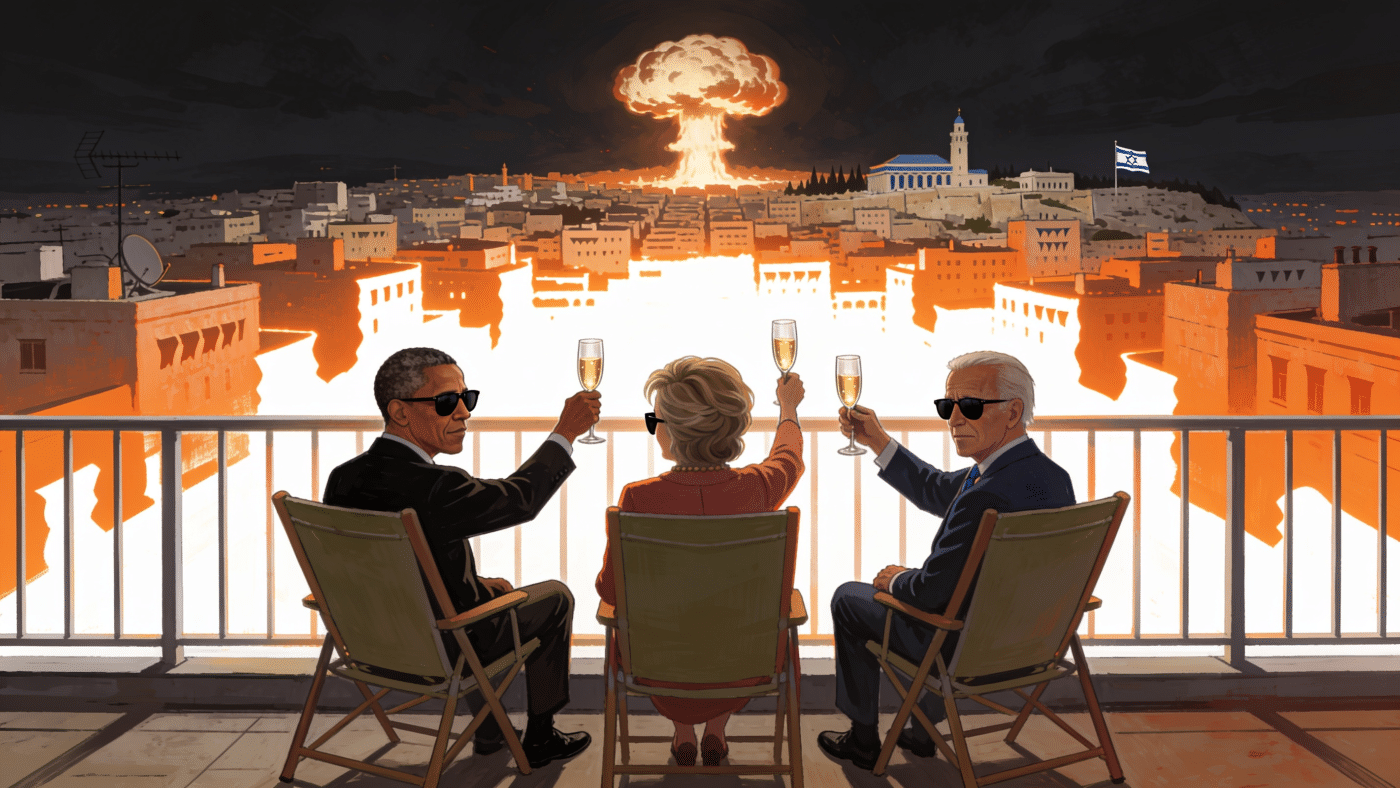
A nuclear device detonated in a major city produces temperatures measured in the thousands of degrees. Fireball and thermal effects kill and maim across a wide radius; the immediate death toll in a dense urban target can easily reach into the hundreds of thousands or more, with far larger numbers injured or displaced. The long-standing Democratic preference for open-ended diplomacy, sanctions relief, and unenforced agreements had allowed Iran to advance to the point where such a device was within reach. Previous administrations watched the enrichment numbers climb while insisting that the threat was still manageable through dialogue. Trump’s combination of military action and continued economic pressure interrupted that trajectory.
Critics will note that Iran still holds enriched material and that full verification remains incomplete. Those are real remaining risks. They do not erase the difference between a program that was days or weeks from a bomb and one that has been set back and remains under active American constraint. Millions of people who would have lived under the permanent shadow of an Iranian nuclear arsenal are still alive because that shadow was pushed back.
God Bless Donald Trump and God Bless America.
References
- Al-Monitor, “As Trump weighs Iran strikes, possible nuclear opening emerges” (November 2026): https://www.al-monitor.com/originals/2026/11/trump-weighs-iran-strikes-possible-nuclear-opening-emerges
- GlobalMilitary.net, “Iran Nuclear Program 2026”: https://www.globalmilitary.net/nuclear/irn/
- Associated Press, “US military carries out new targeted strikes on Iran” (November 2026): https://apnews.com/article/iran-war-nuclear-program-negotiations-trump-53ed5d271b9aef6f880aebc133ea6a55