
By Josiah Hale
Washington Correspondent
We Are Americans
The incoming Democratic majority has stopped pretending. The campaign slogan was “affordability and accountability.” The post-election reality is a coordinated plan to use Congress’s investigative powers against the outgoing Trump administration, its family members, private companies that worked with it, and high-profile critics such as Elon Musk.
Rep. Robert Garcia, set to chair the House Oversight Committee, has already sent document-preservation letters to Donald Trump Jr., Eric Trump, Jared Kushner, Vice President JD Vance, and others. He has publicly told Trump-world figures to “lawyer up.” He has listed targets that include the Trump family’s business dealings, DHS and ICE operations, corporate donations, and the Epstein files. House Minority Leader Hakeem Jeffries has declined to rule out probes of Musk and DOGE, stating only that Democrats will “follow the facts” while deferring details to Garcia and Judiciary Chairman-designate Jamie Raskin. Raskin has described DOGE as a “catastrophe” that needs investigating even while admitting he had no specific plan. Other Democrats have spoken of handing out subpoenas “like candy.”
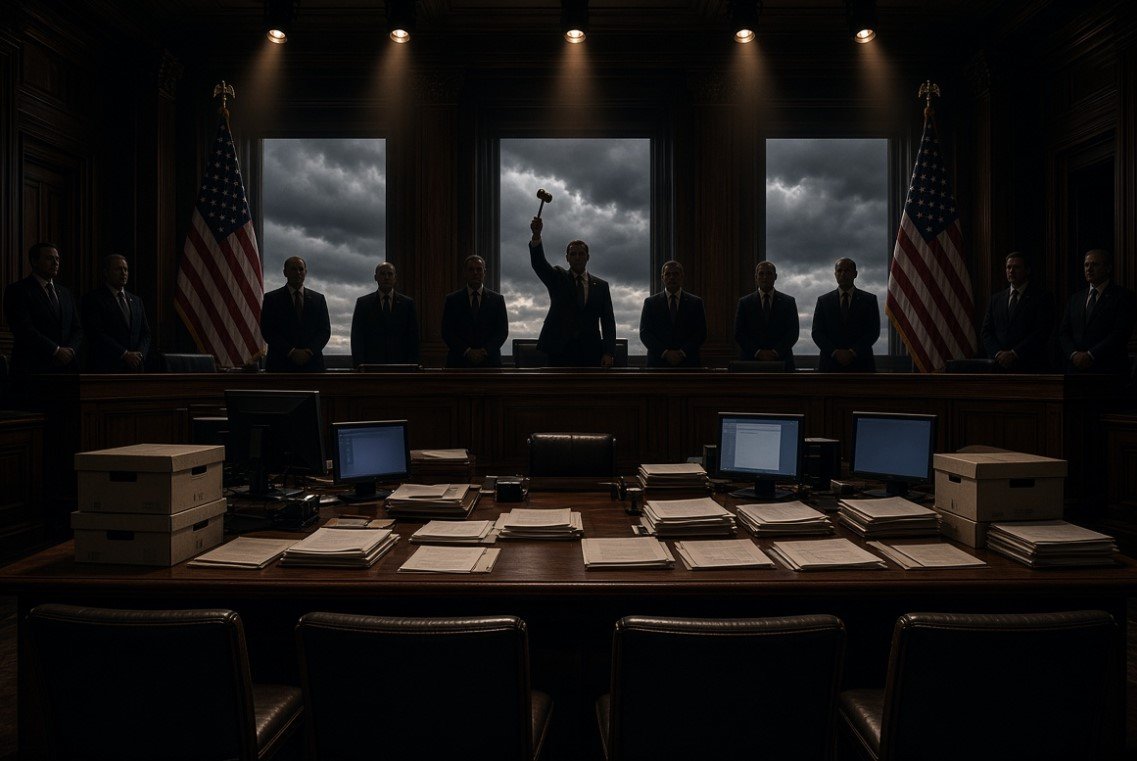
This is not routine oversight of a prior administration. It is the open announcement that political opponents and their associates will be subjected to compulsory process, reputational damage, legal expense, and the constant threat of further action once the Party controls the gavels. The pattern follows a familiar sequence:
- Identify the opponents (Trump family, administration officials, private contractors, and prominent outsiders who reduced government spending or criticized Democratic priorities).
- Announce broad investigations before any specific statute is alleged to have been violated.
- Issue document-preservation demands and threaten subpoenas to impose immediate costs and chill future cooperation with the opposing party.
- Frame ordinary policy disagreements or business activity as “corruption” or “abuse” that justifies the use of state power.
- Treat resistance or criticism of the investigations themselves as further evidence of wrongdoing.
- Use the resulting process—hearings, leaks, referrals—to make examples of the targets so that others will think twice before opposing the Party’s agenda.
When a political party treats the machinery of Congress primarily as a tool to punish and deter its opponents rather than to legislate or oversee discrete violations of law, the distinction between a constitutional republic and a police state begins to erode. The police state does not always arrive with tanks in the street. It often arrives with subpoenas, document demands, and public declarations that certain people must be held “accountable” for having opposed the Party in power.
Democratic voters were told they were electing a check on executive excess and a return to normal institutional behavior. What they are receiving is the institutionalization of political retribution as the central project of the new majority. The targets are named. The tools are ready. The message to anyone outside the coalition is clear.
Congratulations, Democrat base. You been had again.
- MS NOW – Democrats lay out aggressive oversight plans
ms.now/news/democrats-aggressive-oversight-plans-white-house-warnings - Reuters – White House tells Democrats that investigating Trump administration could be criminal
reuters.com/legal/government/white-house-tells-democrats-that-investigating-trump-administration-could-be-2026-11-11 - Fox News – Jeffries leaves door open to investigating Musk and DOGE
foxnews.com/politics/jeffries-leaves-door-open-investigating-major-trump-ally-democrats-prepare-take-power