




February 1, 2026
Organized sports and youth programs in the United States have long been viewed as foundational for developing teamwork, leadership, and practical skills like marksmanship, potentially aiding military readiness. In the mid-20th century, school shooting teams and archery programs were widespread, supported by initiatives like the Civilian Marksmanship Program, which provided rifles to high schools for training in discipline and precision. The Boy Scouts emphasized survival skills, organization, and values such as honor, often with Christian influences, preparing youth for civic and potential military roles.
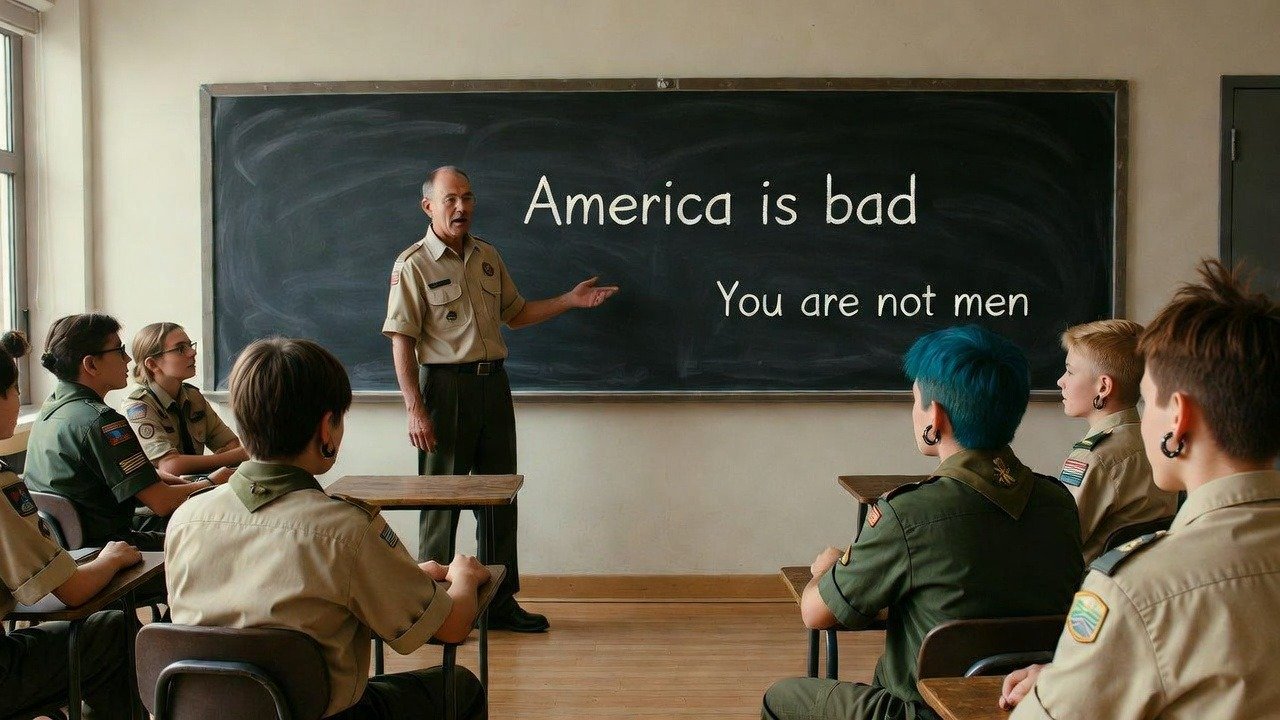
However, these programs have eroded over time. School rifle teams declined sharply after the 1960s due to safety concerns, urbanization, and high-profile incidents like Columbine, leading to bans in many districts. Archery and hunting education faced setbacks, including 2023 federal funding restrictions under the Bipartisan Safer Communities Act, interpreted to limit “dangerous weapons” in schools, prompting bipartisan criticism for hindering skill development. The Boy Scouts, rebranded as Scouting America, has shifted toward inclusivity, admitting girls and LGBTQ+ members, which some argue dilutes traditional survival and leadership focus amid rising costs and scandals.
Critics attribute this erosion to deliberate progressive policies, particularly Diversity, Equity, and Inclusion (DEI) initiatives, claiming they prioritize identity over merit, fostering division and weakening national defense skills. A 2024 study highlighted DEI’s role in military academies as distracting from warfighting priorities, correlating with recruitment crises. Opponents argue DEI signals exclusion to traditional demographics like white males, eroding trust and readiness against adversaries. Defenders counter that DEI enhances cohesion, reduces harassment, and broadens talent pools in a diverse society, improving overall effectiveness.
In contrast, U.S. adversaries like China and Russia have intensified youth military-patriotic education without adopting DEI frameworks. China mandates national defense classes from elementary school, including basic military skills, to foster nationalism and counter foreign influences, amid tensions over Taiwan. Russia’s Yunarmiya program, with over 700,000 members, emphasizes paramilitary training and patriotic upbringing, allocating billions for youth militarization to bolster mobilization potential. These nations avoid DEI-style policies, focusing instead on unified national identity, merit-based advancement, and collective strength, viewing diversity initiatives as Western weaknesses that could undermine cohesion in great-power competition. Critics warn this approach normalizes aggression, while proponents see it as pragmatic for readiness.
This disparity fuels debates: Has U.S. emphasis on inclusion inadvertently weakened defenses, or does it build a more resilient force? Balancing tradition, safety, and equity remains crucial for preparing future generations.
References: