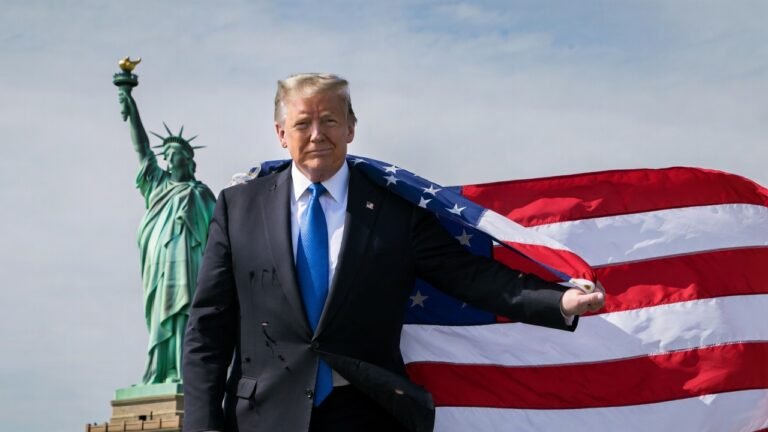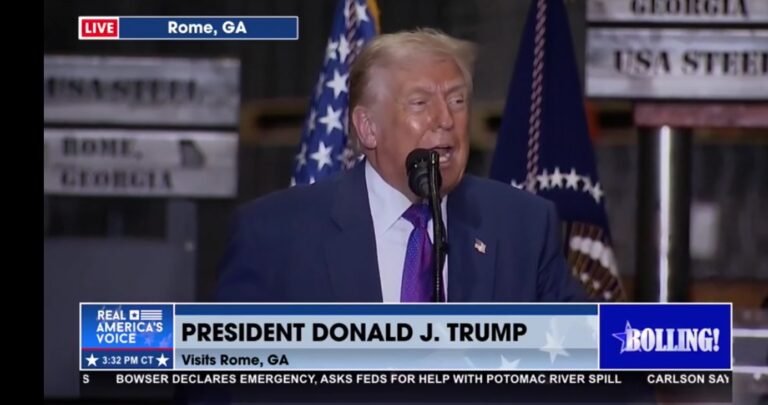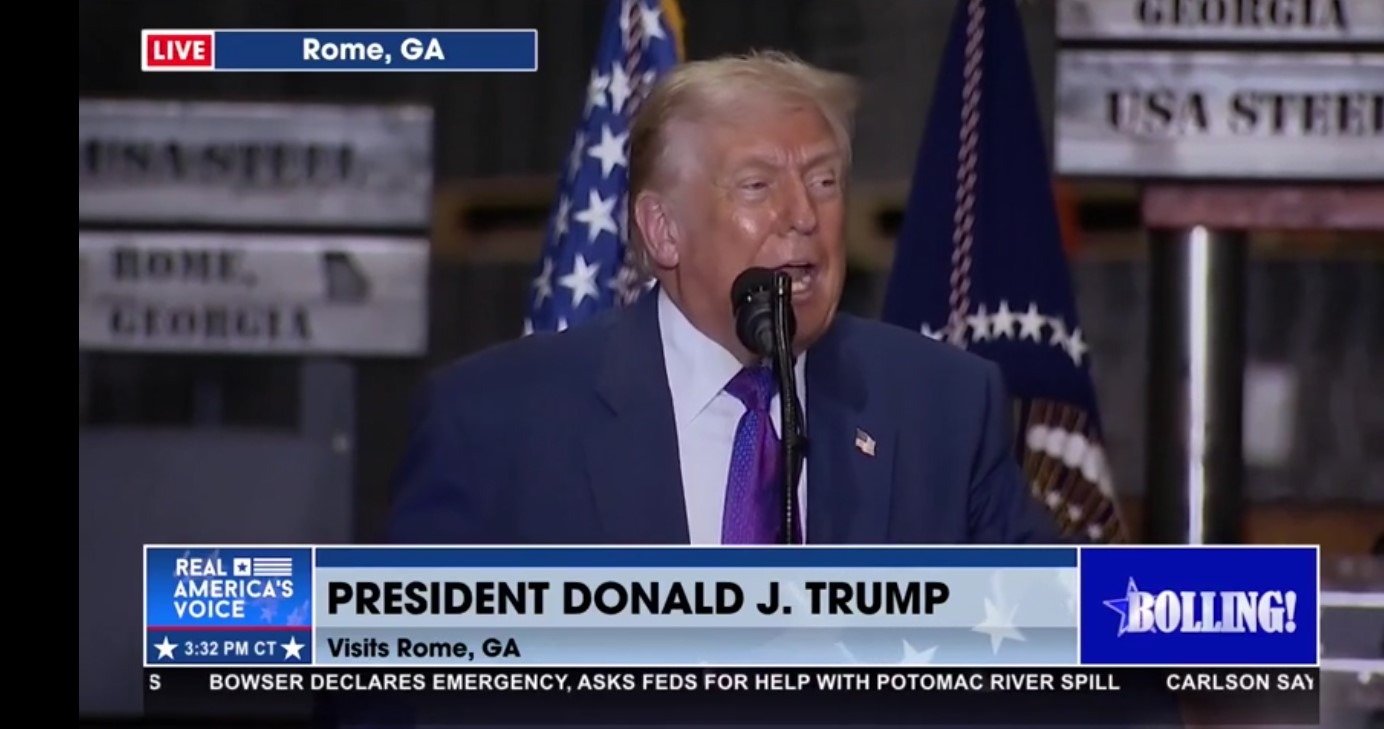








In a contentious move, the European Union has enforced stringent digital trade regulations under the Digital Markets Act (DMA) and Digital Services Act (DSA), compelling major U.S. tech giants like Apple and Google to shoulder hefty compliance costs and fines, while foreign tech firms, particularly from regions like China, appear to face little to no financial burden. These laws, designed to curb anti-competitive practices and regulate online content, have sparked accusations of uneven enforcement and raised concerns about their use to suppress free speech. The DMA, effective since March 2024, targets “gatekeeper” companies like Apple, Google, and Meta, requiring them to open their platforms to competitors and comply with strict interoperability rules. Non-compliance can lead to fines up to 10% of a company’s global revenue, with repeat offenses escalating to 20%. In September 2024, the European Court of Justice upheld a €2.4 billion fine against Google for favoring its shopping service and ordered Apple to repay €13 billion in back taxes to Ireland. Meanwhile, foreign tech firms, such as China’s ByteDance (TikTok’s parent), have faced less scrutiny, with critics arguing the EU’s focus disproportionately targets American companies. Former President Donald Trump, in a recent interview with One America News Network (OAN), condemned the EU’s actions, alleging that the funds from these fines are being used to “censor free speech” by enforcing content moderation under the DSA. The DSA mandates platforms to remove “illegal content” and disinformation, which some argue gives the EU broad powers to control online narratives. Trump declared, “This isn’t going to happen anymore. We’re not letting the EU bully American companies while they let foreign tech skate free.” He threatened retaliatory trade measures, including a Section 301 probe, to counter what he called “unfair penalties” on U.S. firms.Critics of the EU’s approach point out that while American tech giants are hit with billions in fines, foreign competitors often operate under less regulatory pressure, creating an uneven playing field. For instance, Chinese tech firms, which dominate markets outside the EU, face minimal DMA enforcement due to their limited presence in the bloc. This disparity has fueled accusations of protectionism, with the EU allegedly favoring its own digital ecosystem while penalizing U.S. innovation. The financial burden on companies like Apple and Google is substantial. Compliance with DMA rules requires costly overhauls of app stores, search algorithms, and data practices. Google, for example, was fined €2.95 billion in September 2025 for favoring its advertising services, marking its fourth major penalty in a decade. These costs, critics argue, could stifle innovation and pass expenses to consumers. As transatlantic tensions rise, the EU defends its regulations as necessary for fair competition and a safer online environment. However, with Trump vowing to challenge the status quo, the future of U.S.-EU tech relations remains uncertain, with free speech and trade fairness at the heart of the debate.
References:
Al Jazeera: EU slaps $3.45bn fine on Google
Politico: EU throws down gauntlet to Trump with Apple, Google rulings
Tech.co: Apple, Google, Meta and Big Tech to Fall Under New EU Laws
CBS News: EU investigating Apple, Google and Meta
France24: EU court rules Google, Apple must pay billions
The world's first AI law just went live in Europe.
— anarchy.build (@anarchy_build) August 3, 2025
Violate it? Face fines up to 7% of your company's global revenue.
That'd be:
– $700 million for OpenAI
– $24 billion for Google
– $11 billion for Meta
And it doesn't just affect Big Tech.
Here's what just changed forever: pic.twitter.com/oM1aPblbwm