






Mobile Alabama
Article By WAA News Writer– America’s once-dominant shipbuilding industry has dramatically declined over the past four decades, with production effectively “transported” overseas due to policy decisions that favored free trade over domestic protection. In the 1980s, the Reagan administration terminated federal subsidies for commercial ship construction, allowing heavily subsidized foreign competitors—primarily from Asia—to flood the market with cheaper vessels. This led to the loss of tens of thousands of high-paying American jobs and eroded a critical industrial base.
From around 180,000 private shipyard jobs in 1980, employment has plummeted to about 105,000 today, even as the U.S. labor force grew significantly. Adjusted for population, this represents over 145,000 vanished positions—middle-class roles in welding, engineering, and fabrication that supported families and communities. Critics argue these policies, influenced by ideological commitments to deregulation, enriched global trade beneficiaries while devastating U.S. workers and yards.
The national security implications are profound. With China now controlling over 50% of global shipbuilding capacity—more than 200 times that of the U.S.—America’s ability to rapidly produce or repair naval and merchant vessels in wartime is severely compromised. China’s dual-use shipyards build both commercial ships and advanced warships, fueling its naval expansion while U.S. reliance on foreign supply chains grows vulnerable.
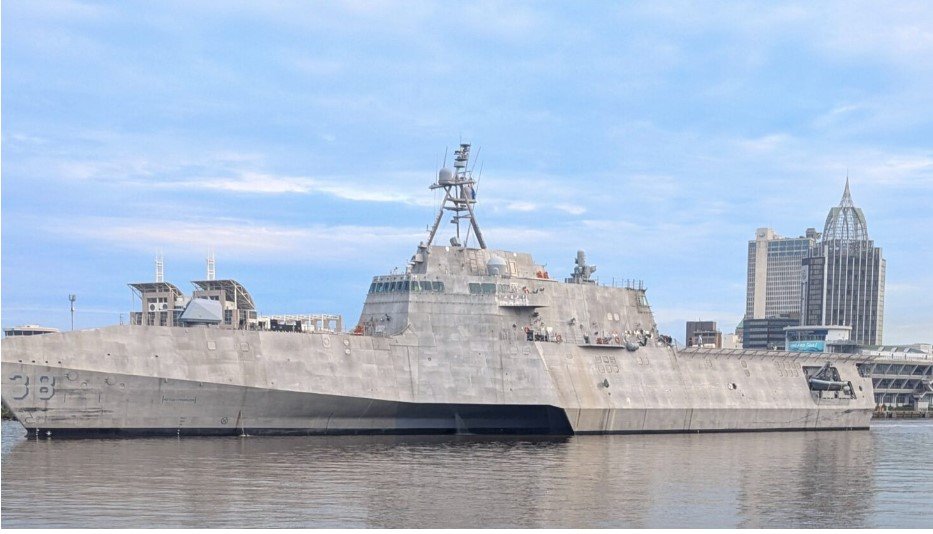
In Alabama, key shipyards like Austal USA in Mobile continue building Navy vessels, but past facilities, including BAE Systems’ former Mobile operations (closed amid industry downturns), highlight the fragility. Attempts by Chinese entities to acquire or influence U.S. maritime assets have repeatedly raised alarms, often blocked on security grounds to prevent technology transfer or control.
Reviving domestic shipbuilding requires subsidies, workforce investment, and protections against unfair foreign competition to reclaim jobs and safeguard defense readiness.
References:
- https://enotrans.org/article/decline-u-s-shipbuilding-industry-cautionary-tale-foreign-subsidies-destroying-u-s-jobs/
- https://www.nytimes.com/interactive/2025/12/11/opinion/editorials/us-military-industry-waste.html
- https://features.csis.org/hiddenreach/china-shipyard-tiers/