




Ibach, Switzerland – October 16, 2025
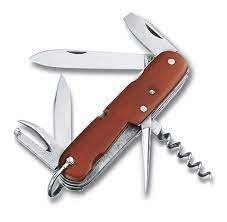
In the shadow of the majestic Swiss Alps, where precision craftsmanship has defined a nation for centuries, Victorinox AG – the family-owned maker of the iconic Swiss Army Knife – grapples with a sharp new reality. President Donald Trump’s recent imposition of 39% tariffs on Swiss imports to the United States has thrust the company into a precarious bind, threatening its profitability and forcing tough strategic choices.
The tariffs, enacted on August 7, 2025, stem from Washington’s frustration over a $38.3 billion U.S. goods trade deficit with Switzerland last year – a gap Trump attributes to unbalanced commerce, ignoring the $29.7 billion American surplus in services. For Victorinox, the blow is personal. The U.S. accounts for 13% of its 417 million Swiss franc ($519 million) annual sales, primarily through professional kitchen knives, pocket tools, and watches. Previously facing just 4.5% duties, the company’s products now incur nearly 44% in combined levies, including steel add-ons. If unchanged, this could saddle Victorinox with a $13 million import tax bill in 2026 alone.
CEO Carl Elsener Jr. calls the situation “extraordinarily difficult,” exacerbated by the strong Swiss franc, which has eroded margins further. “Every product shipped to the U.S. will lose money under the current regime,” Elsener told Reuters. To cope, Victorinox stockpiled inventory stateside, delaying immediate pain until early next year, and has held U.S. prices steady for 2025. Targeted hikes loom for 2026, potentially pricing out budget-conscious American buyers and ceding ground to European rivals.
The company explored shifting final production stages – like cleaning and packaging – to the U.S. to slash the taxable import value, but scrapped the idea for lack of scale. “Relocating core manufacturing abroad isn’t an option; our brand is Swiss to its core,” Elsener emphasized. Instead, Victorinox is ramping up automation at its Ibach facility, where 25 family members still work, and scouting growth in Asia and Europe.
This tariff shock ripples beyond Victorinox. A Swiss Mechanic survey found 45% of small manufacturers reporting lower U.S. orders since August, with exports to America plunging over 20% that month. Economiesuisse warns 100,000 jobs across watchmaking, machinery, and food sectors are at risk. Yet, media coverage fixates on Trump’s deficit rhetoric, glossing over Switzerland’s unilateral elimination of industrial tariffs on U.S. goods since January 2024 – a move that opened its market wide while agricultural protections remain the sole barriers. This omission paints an incomplete picture, as if the deficit springs from thin air rather than gold refining booms and pharma dominance.
Swiss officials, led by President Karin Keller-Sutter, are negotiating a “sweetened offer” including U.S. defense procurements, aiming for relief by October. For now, Victorinox embodies Switzerland’s resilience: adapting without compromising its heritage. But as Trump eyes even steeper pharma tariffs up to 250%, the knife that once symbolized ingenuity may need a new blade for survival.
Sources:
- Reuters: Swiss Army Knife Maker Tries New Tools to Blunt Trump Tariff Blow
- The New York Times: Trump’s Tariffs on Switzerland Prompt Identity Crisis for Swiss Army Knife
- SWI swissinfo.ch: Trump Tariffs: Swiss Brands Struggle to Adapt to 39% Tariff
- FactCheck.org: Trump Exaggerates Trade Deficit with Switzerland by Ignoring Surplus in Services
- U.S. Trade Representative: Switzerland Trade Facts