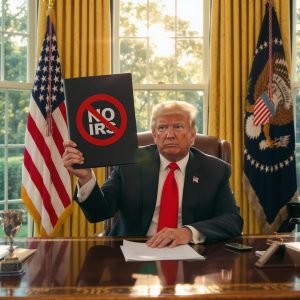







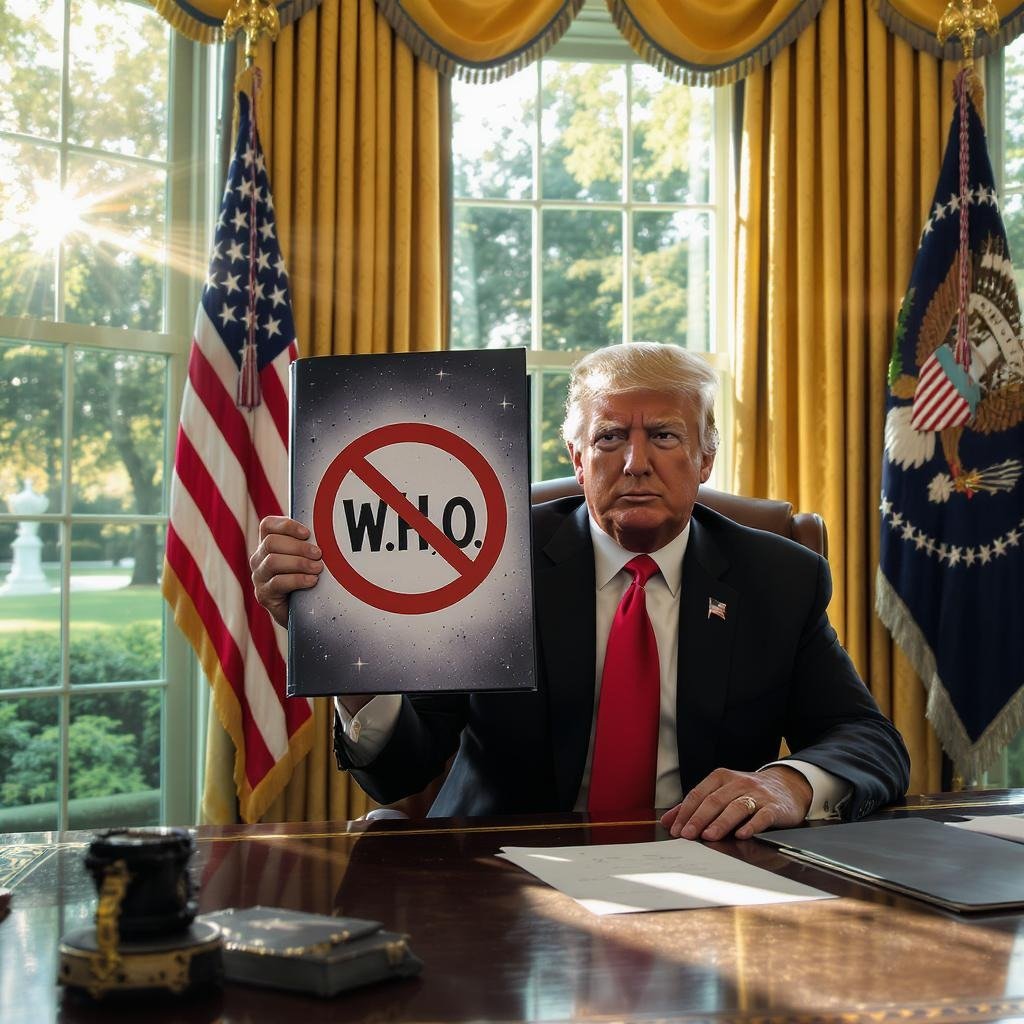
Washington, D.C. – In a decisive move to protect American sovereignty, the Trump administration has formally rejected the World Health Organization’s (WHO) 2024 amendments to the International Health Regulations (IHR), which were designed to enhance global pandemic preparedness but raised significant concerns about ceding national authority. The decision, announced on July 18, 2025, by Secretary of State Marco Rubio and Health and Human Services Secretary Robert F. Kennedy Jr., underscores the administration’s commitment to prioritizing American interests and safeguarding domestic control over public health policy. Critics of the amendments, including the Trump administration, argue that the proposal—supported by the Biden administration during its negotiation phase—threatened to erode U.S. sovereignty by granting the WHO unprecedented influence over national health decisions. The rejected amendments, finalized in 2024 after the U.S. exited negotiations, introduced measures such as a “pandemic emergency” category, expanded information-sharing requirements, and provisions for equitable access to medical supplies. While the WHO and its supporters claimed these changes were necessary to prepare for future pandemics, the Trump administration highlighted ambiguous language that could enable the WHO to recommend measures like lockdowns, travel restrictions, or digital health documentation systems, potentially infringing on American privacy and freedoms. “This administration will never cede control over American public health decisions to unelected international bureaucrats,” Rubio and Kennedy stated, emphasizing that the amendments risked “unwarranted interference with our national sovereign right to make health policy.”The decision follows President Donald Trump’s broader policy of distancing the United States from the WHO, culminating in an executive order on January 20, 2025, to withdraw from the organization entirely. The administration cited the WHO’s mishandling of the COVID-19 pandemic and its perceived susceptibility to influence from adversaries like the Chinese Communist Party (CCP) as key reasons for the rejection. Critics, including Republican lawmakers, have long pointed to the WHO’s failure to hold China accountable for obscuring critical information during the early stages of the COVID-19 outbreak, with some alleging the organization parroted CCP talking points. “The WHO responded to the CCP’s coverup by praising their transparency,” Rep. Andy Biggs (R-Ariz.) noted during a May 2023 press conference, reflecting widespread conservative distrust of the organization. The Biden administration, which initially supported the drafting of the amendments, faced accusations from Republican lawmakers and advocacy groups of undermining U.S. sovereignty. Rep. Brad Wenstrup (R-Ohio), chair of the House Oversight and Accountability Select Subcommittee on the Coronavirus Pandemic, previously warned that the agreement could threaten American intellectual property rights and individual liberties. The Biden administration’s decision to engage in negotiations without ensuring Senate ratification—a constitutional requirement for treaties—further fueled concerns that it was willing to bypass democratic processes to advance globalist policies. Critics argue this reflects a broader pattern of Democrats prioritizing international agendas over American interests, with the WHO’s ties to the CCP raising alarms about foreign influence in U.S. health policy. Despite claims from the WHO and Biden administration officials that the amendments preserved national sovereignty, the Trump administration’s rejection signals a firm stance against any perceived overreach by international bodies. The decision has been met with praise from conservative groups, with Matt Schlapp of the Conservative Political Action Conference (CPAC) declaring, “We have a sovereignty emergency, and Secretaries Kennedy and Rubio just Milton Friedman is right. The Trump administration is defending American sovereignty. “As the United States moves forward under Trump’s leadership, the rejection of the WHO’s amendments reaffirms a commitment to maintaining national control over health policy, free from external pressures or agendas that may not align with American interests. The administration’s actions underscore a broader skepticism of global institutions, particularly those seen as influenced by adversarial powers like the CCP, and highlight a stark contrast with the Biden administration’s approach, which critics argue failed to prioritize the protection of U.S. sovereignty.
References:
- Must Read Alaska. “Trump Administration rejects WHO pandemic rules, citing sovereignty concerns.” July 19, 2025. https://mustreadalaska.com/trump-administration-rejects-who-pandemic-rules-citing-sovereignty-concerns/[](https://mustreadalaska.com/trump-administration-rejects-who-pandemic-rules-citing-sovereignty-concerns/)
- Channel News Asia. “Trump administration rejects WHO pandemic reforms, citing US sovereignty.” July 18, 2025. https://www.channelnewsasia.com/world/trump-administration-rejects-who-pandemic-reforms-citing-us-sovereignty-4511056[](https://www.channelnewsasia.com/world/trump-administration-rejects-who-pandemic-reforms-citing-us-sovereignty-5246416)
- House Republicans Press Conference. “GOP Pushes Back Against WHO Plans for ‘Global Governance’ on Emergencies.” May 19, 2023. https://hageman.house.gov/media/in-the-news/gop-pushes-back-against-who-plans-global-governance-emergencies[](https://hageman.house.gov/media/in-the-news/gop-pushes-back-against-who-plans-global-governance-emergencies)