




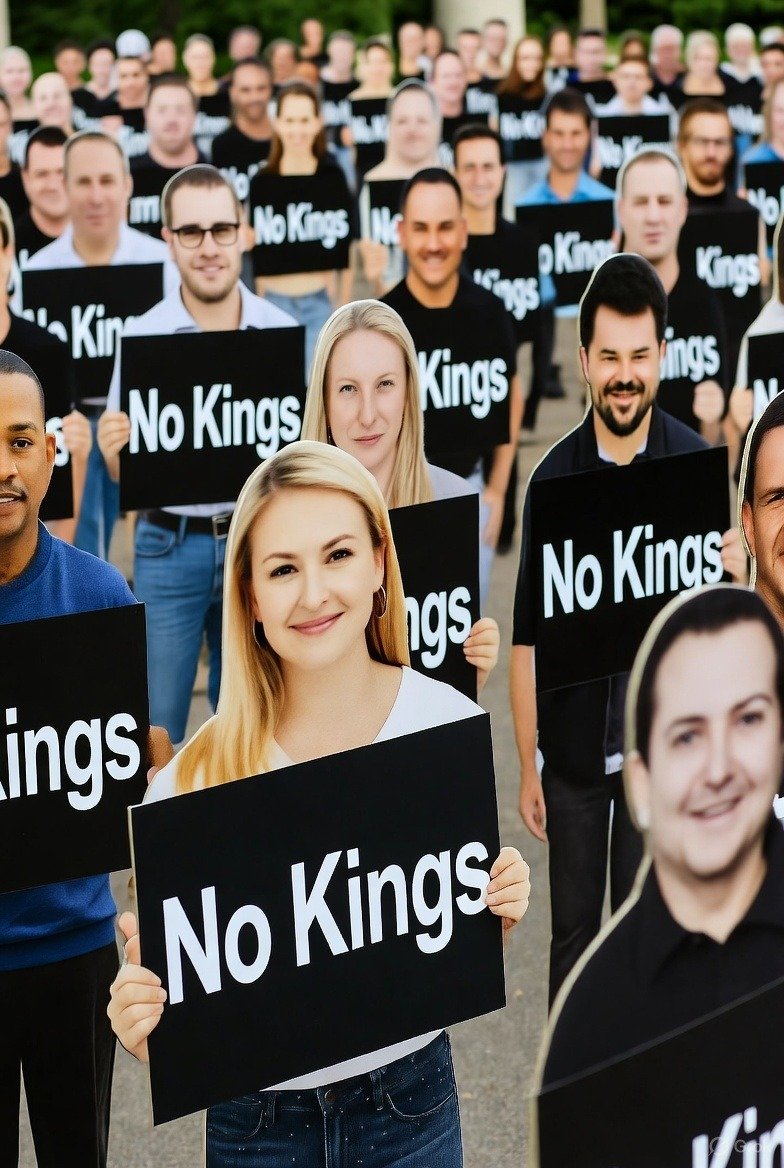
Background: The “No Kings Day” Protest
On October 18, 2025, organizers promoted “No Kings Day” as a nationwide wave of anti-Trump demonstrations. The event was heralded as the “largest day of protest in U.S. history,” with claims of seven million participants filling streets across the country. However, upon closer examination, the narrative, heavily supported by left-leaning media and activists, has faltered and now appears to be largely exaggerated.
Claims vs. Reality
Progressive outlets such as NPR and The Guardian predicted millions would gather at over 2,600 sites, referencing a similar protest in June 2025 that allegedly drew five million. Organizers from the No Kings coalition assured a peaceful demonstration against “oligarchy” and the policies of former President Trump. Despite these promises, post-event analysis revealed a very different picture. In many locations, aerial footage showed only modest gatherings, sometimes numbering in the hundreds, rather than the vast crowds depicted in viral posts. Areas like Louisville, Kentucky, and Jeffersonville, Indiana, exemplified this discrepancy, with empty lots and sparse attendance.
Artificial Amplification and Questionable Evidence
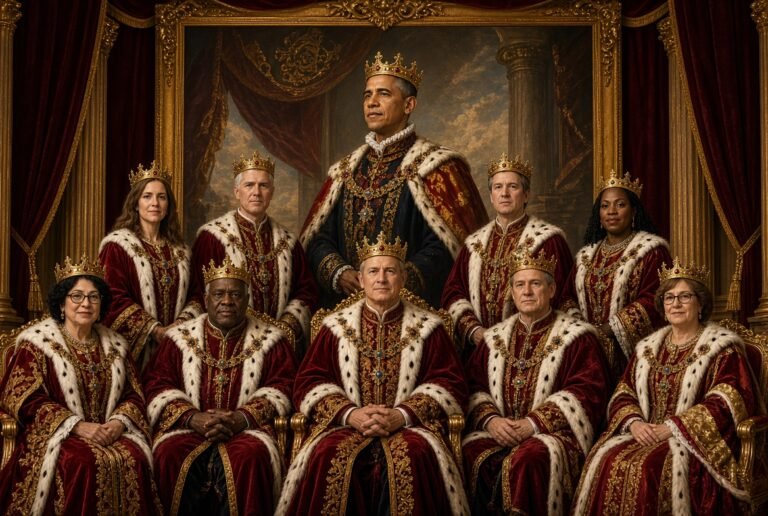
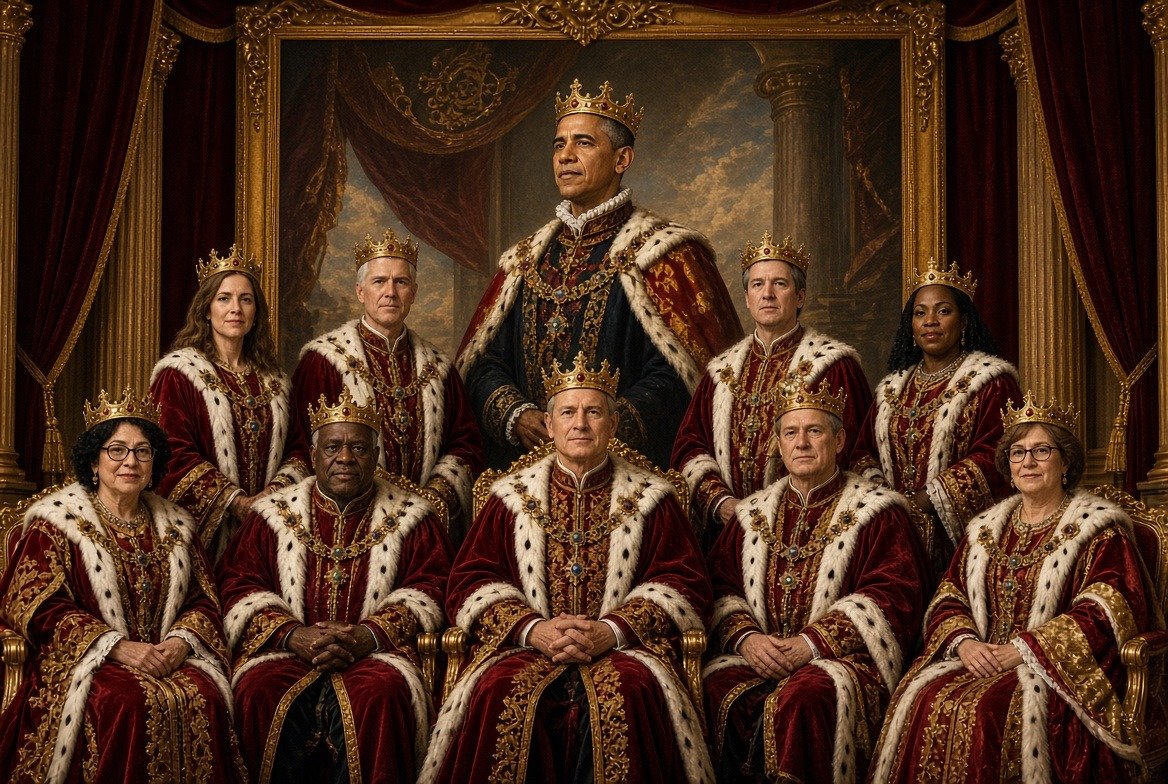
Much of the hype surrounding No Kings Day was driven by circulated visuals that came under heavy scrutiny. Social media users and fact-checkers quickly pointed out that many images used as evidence of massive turnout were either repurposed from previous events or outright fabricated. Notable examples included photos from the 2017 Women’s March, the 1969 Woodstock festival, and even a black-and-white crowd shot from the 1940s. Some posts humorously attached colonial-era engravings with captions suggesting they were from the protest. The accessibility of AI tools contributed to this phenomenon, as they were utilized to digitally inflate crowd sizes, merging actual attendees with artificial figures. The absence of authentic, ground-level photographs further fueled skepticism, with critics noting the lack of personal, street-side images from participants.
Attendance Figures and Historical Context
The assertion that No Kings Day was the largest protest in American history was widely disputed. Historical events such as the 1963 March on Washington, which drew 250,000 people, and the 2017 Women’s March, with an estimated four million attendees, provided benchmarks that called the new claims into question. Independent counts suggested that real participation was likely between one and two million, dispersed across thousands of smaller events. Instances of media outlets airing old footage as purportedly live coverage further undermined the credibility of the protest’s reported size.
Funding and Organizational Ties
Investigations into the event’s funding revealed connections to controversial groups. Senator Markwayne Mullin criticized the demonstrations, alleging sponsorship by the Communist Party USA and involvement from the Revolutionary Communist Party’s Vocal NY wing. House Speaker Mike Johnson echoed these concerns, linking the events to organizations backed by George Soros and the CPUSA. These ties suggested that the protest was less a spontaneous grassroots movement and more an orchestrated operation, with paid agitators and organized transportation inflating the numbers.
Conclusion: The Reality Behind the Spectacle
Ultimately, No Kings Day did not represent a genuine, widespread public outcry. Instead, it was an event amplified by digital manipulation and ideological agendas. As Americans reflect on the aftermath, the lesson is clear: genuine movements require transparency, not manufactured spectacle. The real story of No Kings Day is one of overstated desperation, not a new chapter in democratic activism.
References
- CAUGHT: Libs faked pictures of the No Kings protest
- Ted Cruz said MSNBC footage was from 2017, not a ‘No Kings’ rally
- Sen. Mullin: “No Kings Day Rally is literally sponsored by the Communist Party”
- CPUSA joined the millions on “No Kings Day”
- ICYMI | Some aerials that show turnouts at local “No Kings” rallies