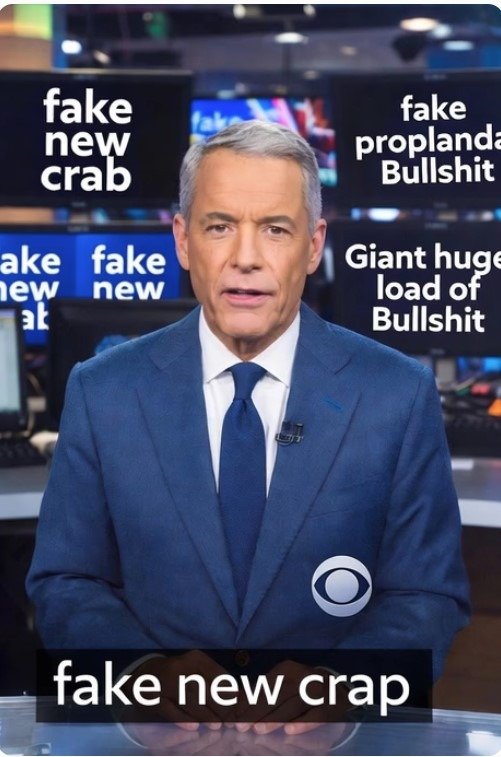
A firestorm of public outrage is sweeping the nation as millions of Americans demand that the Federal Communications Commission (FCC) revoke the broadcast licenses of NBC, CBS, and ABC. The backlash stems from the networks’ collective decision to refuse airing a recent address by the President of the United States—a move critics are calling an unprecedented breach of public trust and a violation of the public interest standard.
The controversy ignited after all three major networks declined to carry the President’s speech, citing “scheduling conflicts” and “editorial judgment.” However, conservative activists, media watchdogs, and everyday citizens are not buying the excuses. A viral post on X (formerly Twitter) from user @warDaniel47 has amassed tens of thousands of likes and shares, calling for immediate FCC action against the networks.
“These networks are licensed to use the public airwaves. They are not private platforms—they are public trustees,” the post reads. “Refusing to air the President’s address is a direct affront to democracy. Revoke their licenses now.”
The FCC grants broadcast licenses to networks under the condition that they serve “the public interest, convenience, and necessity.” Critics argue that by refusing to air a presidential address—a tradition historically honored by all major networks regardless of party affiliation—NBC, CBS, and ABC have violated that fundamental obligation.
Legal experts note that while the FCC rarely revokes licenses, the Communications Act of 1934 gives the agency broad authority to do so. The last major license revocation occurred in the 1970s, but the precedent remains. Supporters of revocation argue that the networks’ actions represent a dangerous politicization of the airwaves, effectively silencing the President and denying the American people direct access to their leader.
Opponents of the calls dismiss them as political grandstanding, arguing that networks have editorial discretion and that the President can reach the public through other means, including social media and press conferences. However, the sheer volume of public anger suggests this issue is not fading anytime soon.
As petitions circulate and lawmakers weigh in, the FCC faces mounting pressure to act. Whether the agency will take the unprecedented step of revoking licenses remains to be seen. But one thing is clear: the American people are demanding accountability, and they are no longer willing to accept the networks’ refusal to serve the public interest.
References: