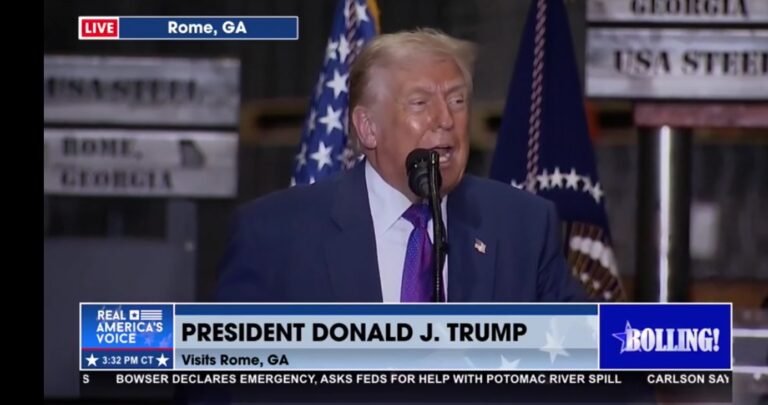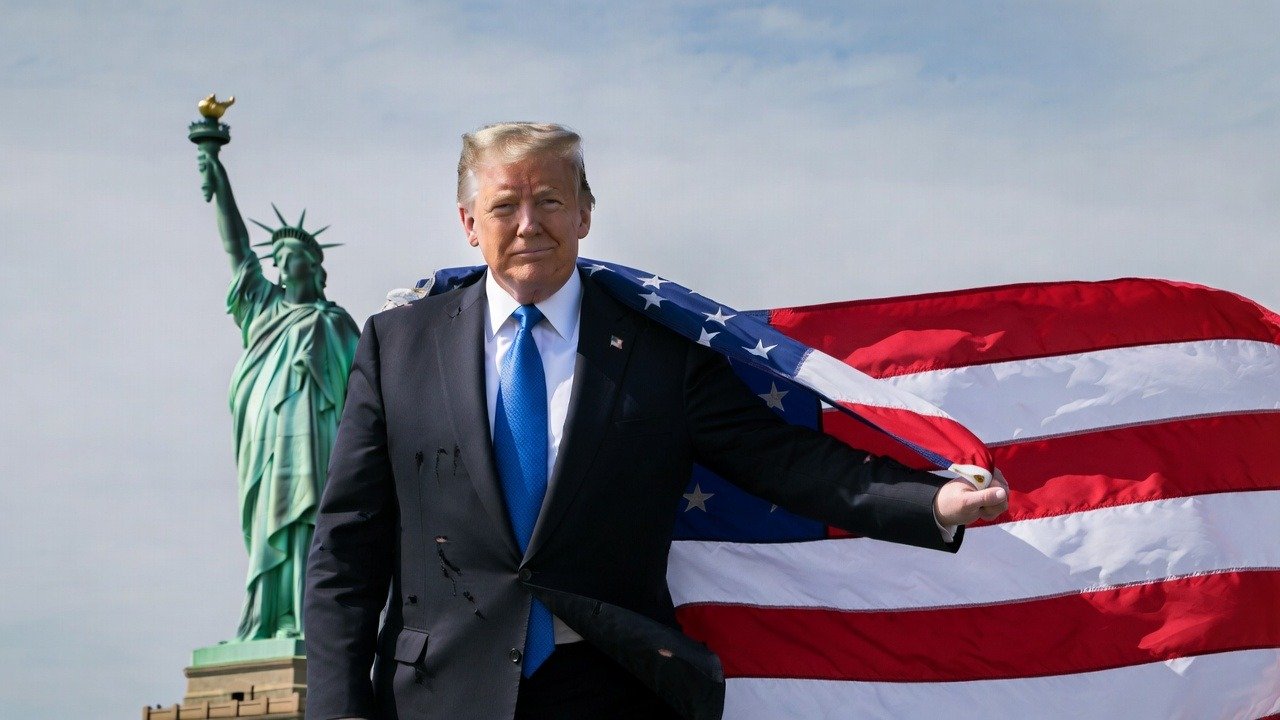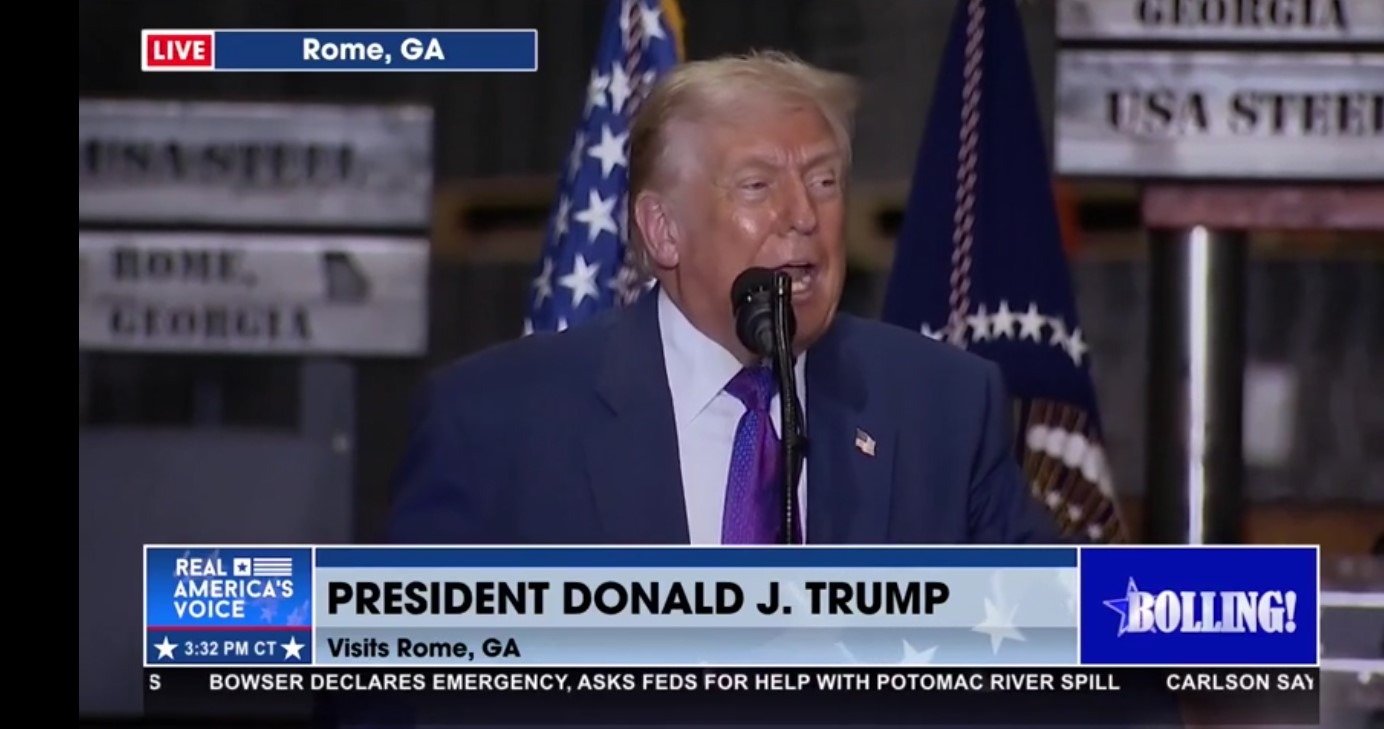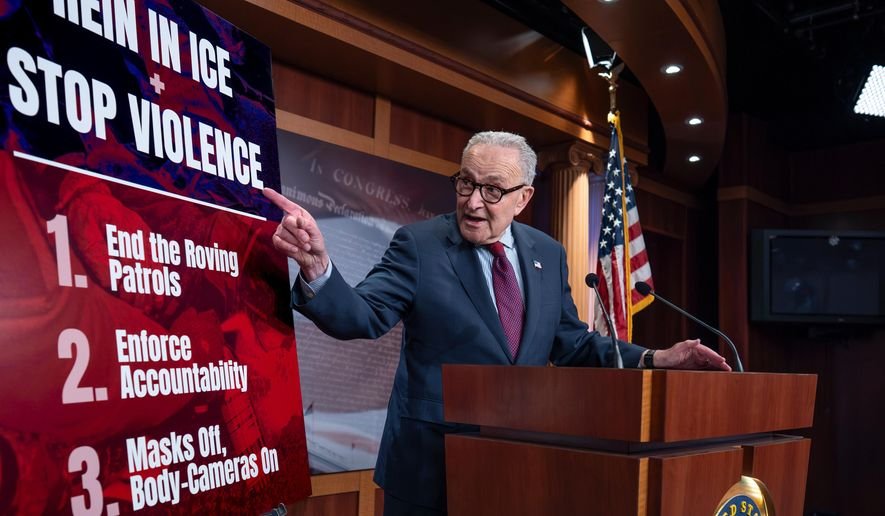






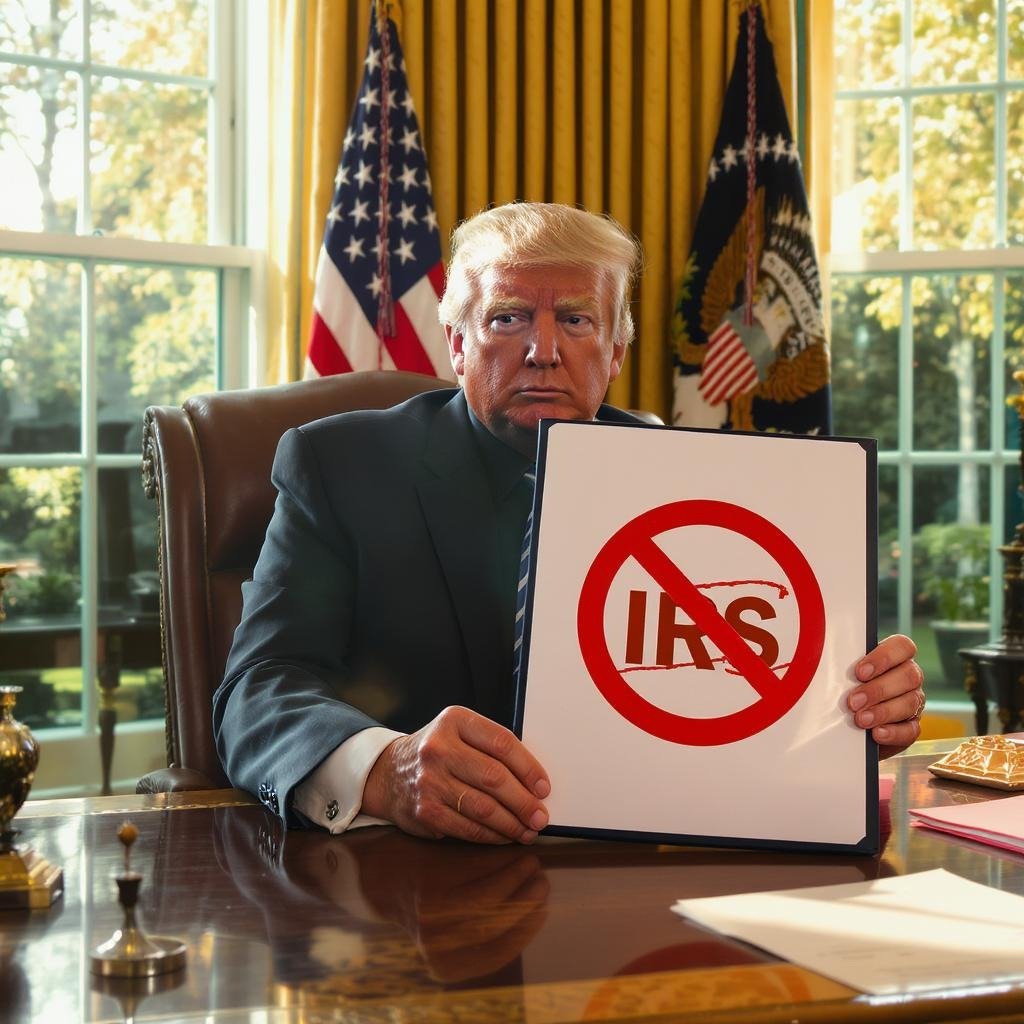
Since taking office in January 2025, President Donald J. Trump has targeted the Internal Revenue Service (IRS) for reform, aiming to dismantle what he calls a “deep state” network of hidden subsidies and wasteful spending. The Department of Government Efficiency (DOGE), led by Elon Musk and Vivek Ramaswamy, has uncovered significant financial mismanagement, exposing billions in misallocated taxpayer dollars. However, entrenched bureaucratic interests and a complex web of subsidies present formidable challenges to meaningful reform. DOGE’s investigations have revealed systemic issues within the IRS, including $2 billion in wasteful IT contracts and auto-renewed licenses, which Treasury Secretary Scott Bessent claims were cut without disrupting operations. A 2024 Government Accountability Office report estimated annual federal fraud losses between $233 billion and $521 billion, with DOGE recovering $1.9 billion in “misplaced” Biden-era funds. Posts on X have echoed public support for these efforts, with some claiming Trump’s reforms could dismantle a “globalist tax cartel” and replace the IRS with a consumption-based system under the Fair Tax Act (H.R. 25). Critics argue that the IRS’s entrenched interests, including a network of subsidies allegedly benefiting Democratic agendas, complicate reform. The Biden administration’s Inflation Reduction Act (IRA) allocated $57.8 billion to the IRS, much of it for enforcement, which Trump’s team seeks to reverse. A $2.49 billion budget cut proposed in May 2025 has raised concerns about reduced tax collection, with nonpartisan analysts warning it could cost more than it saves by limiting audits of wealthy individuals and corporations. Former IRS Commissioner John Koskinen noted that such cuts favor “tax cheats,” as enforcement yields $5-$12 per dollar spent. Doge’s push for access to sensitive taxpayer data has sparked privacy concerns, with Democratic senators alleging violations of strict tax code protections. A Treasury Inspector General probe is underway to investigate potential overreach. Despite these hurdles, Trump’s administration insists reforms will streamline operations and protect taxpayers, citing a 9.5% increase in April 2025 tax receipts as evidence of success. The battle to reform the IRS hinges on navigating a deeply rooted system. While DOGE’s findings highlight inefficiencies, the path to dismantling alleged “deep state” networks remains fraught with legal and political obstacles.
References: