







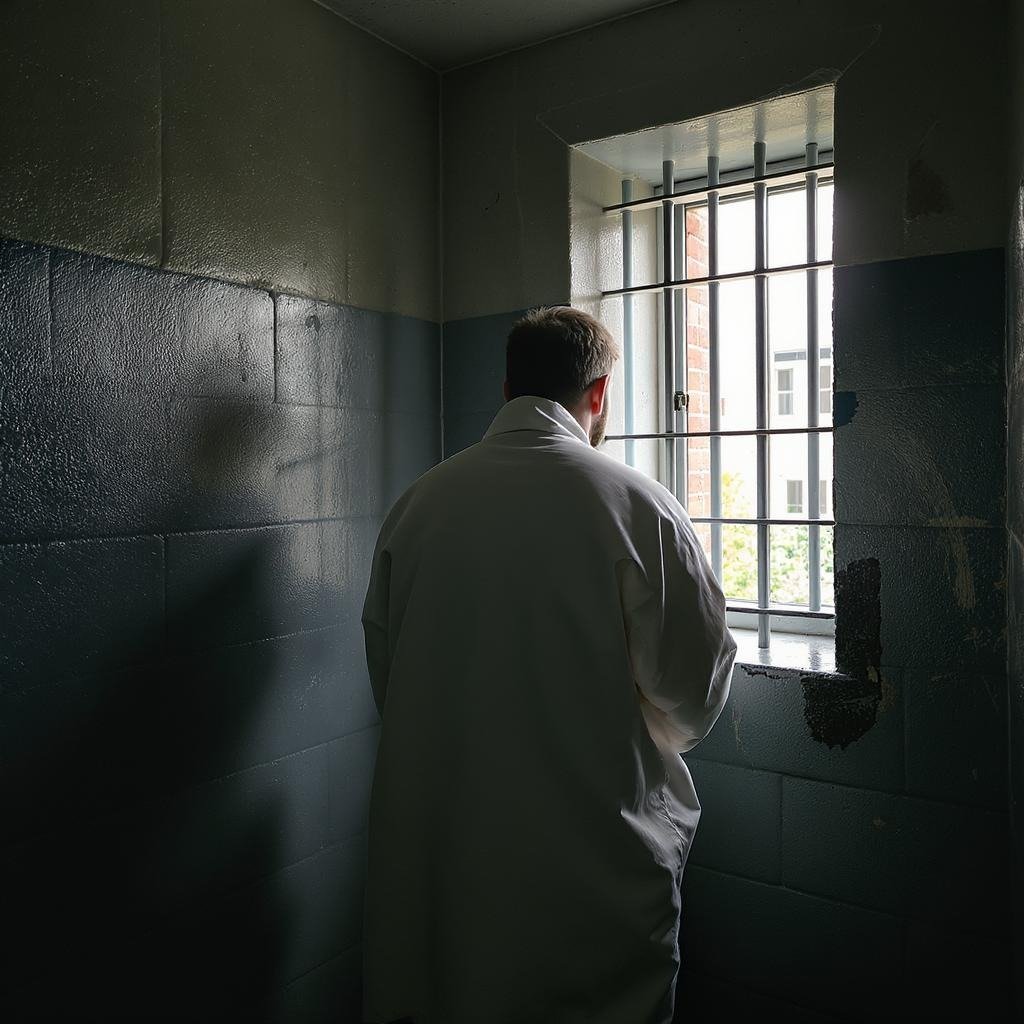
In the 1970s, a seismic shift in U.S. mental health care policy, known as deinstitutionalization, was heavily influenced by powerful medical lobbies, including pharmaceutical companies and professional associations, which sought to reshape mental health treatment for profit. This movement, aimed at closing state-run psychiatric hospitals and transitioning patients to community-based care, was sold as humane reform but was driven by financial incentives, leading to billions in profits for specialized treatment organizations while contributing to prison overcrowding and ongoing access issues. The push for deinstitutionalization began with the 1963 Community Mental Health Act, which promised federal funding for community mental health centers (CMHCs) to replace asylums. However, lobbying by the pharmaceutical industry, which introduced antipsychotics like Thorazine in the 1950s, promoted the idea that medication could manage severe mental illnesses outside institutions, reducing costs for states while creating a lucrative market for drugs. Professional associations, including the American Psychiatric Association, also advocated for community-based care, emphasizing patient rights but often overlooking the need for robust infrastructure. By the late 1970s, the Mental Health Systems Act of 1980 aimed to bolster CMHCs, but its funding was gutted under the Reagan administration’s 1981 Omnibus Budget Reconciliation Act, leaving underfunded centers struggling to serve patients. This shift funneled taxpayer dollars into a burgeoning private mental health industry. Specialized treatment organizations, including outpatient clinics and private psychiatric practices, flourished, generating billions through insurance reimbursements and government subsidies like Supplemental Security Income (SSI). The lack of adequate community care led to many deinstitutionalized patients ending up homeless or in prisons, with studies estimating that by the 1980s, 30-50% of homeless individuals had severe mental illnesses, and by 2015, one in three jail inmates had mental health issues. Today, accessing mental health care remains challenging, with centralized, regulated systems prioritizing high-cost, specialized appointments that are often out of reach for many. The focus on profitability persists, as private providers and pharmaceutical companies dominate a $225 billion mental health industry, often at the expense of comprehensive care for the most vulnerable.
References: