
In the shadow of Utah Valley University’s bustling campus, a tragic shooting on September 10, 2025, claimed the life of conservative activist Charlie Kirk, sending shockwaves through political circles and igniting national debate. The accused, 22-year-old Tyler Robinson, faces first-degree murder charges, with prosecutors seeking the death penalty in a case that unfolded before thousands of witnesses. What began as a routine speaking event for Kirk escalated into chaos when Robinson allegedly opened fire, killing the Turning Point USA founder in front of 2,000 to 3,000 students. As investigations deepen, the case has amassed “voluminous” evidence, but it’s the court’s sweeping gag order that has drawn sharp criticism for its extraordinary breadth.
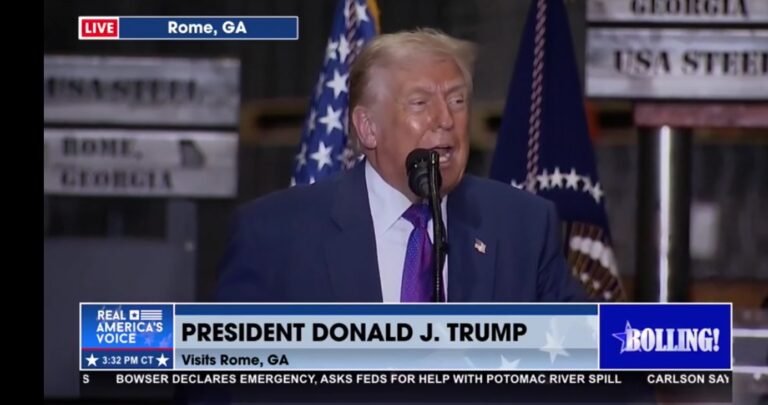
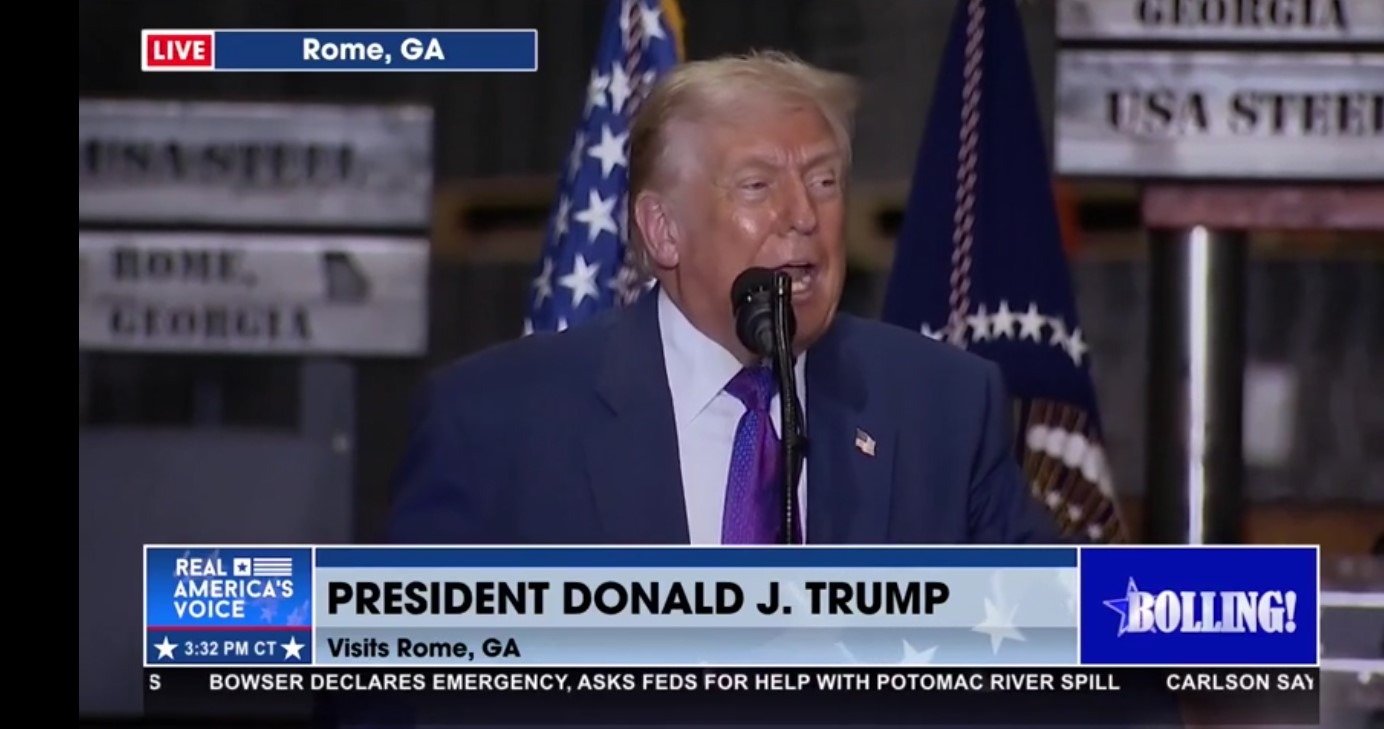
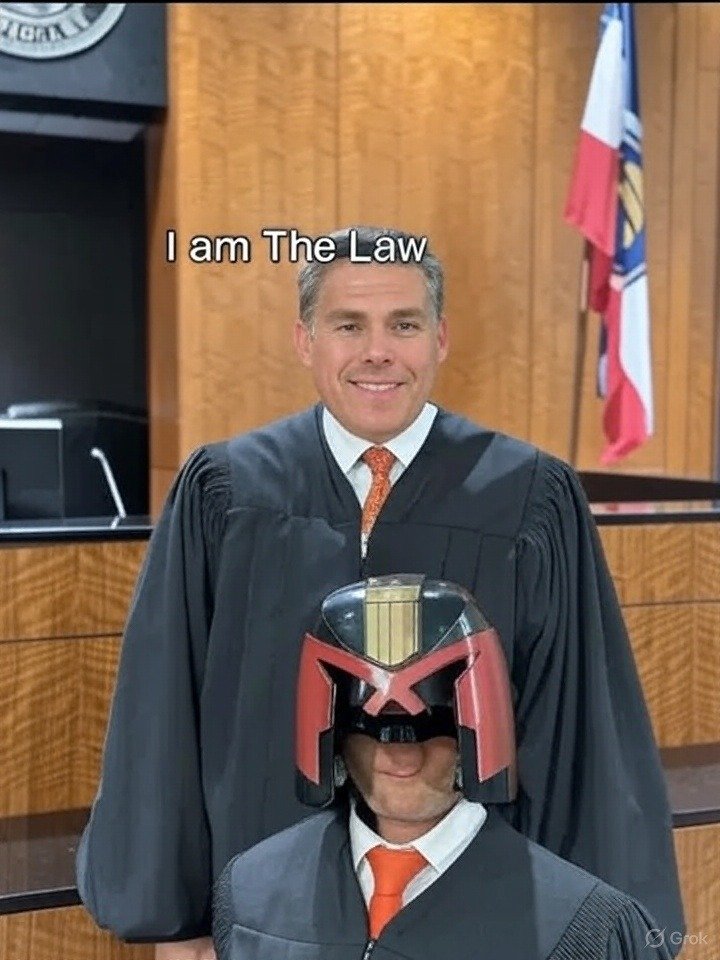
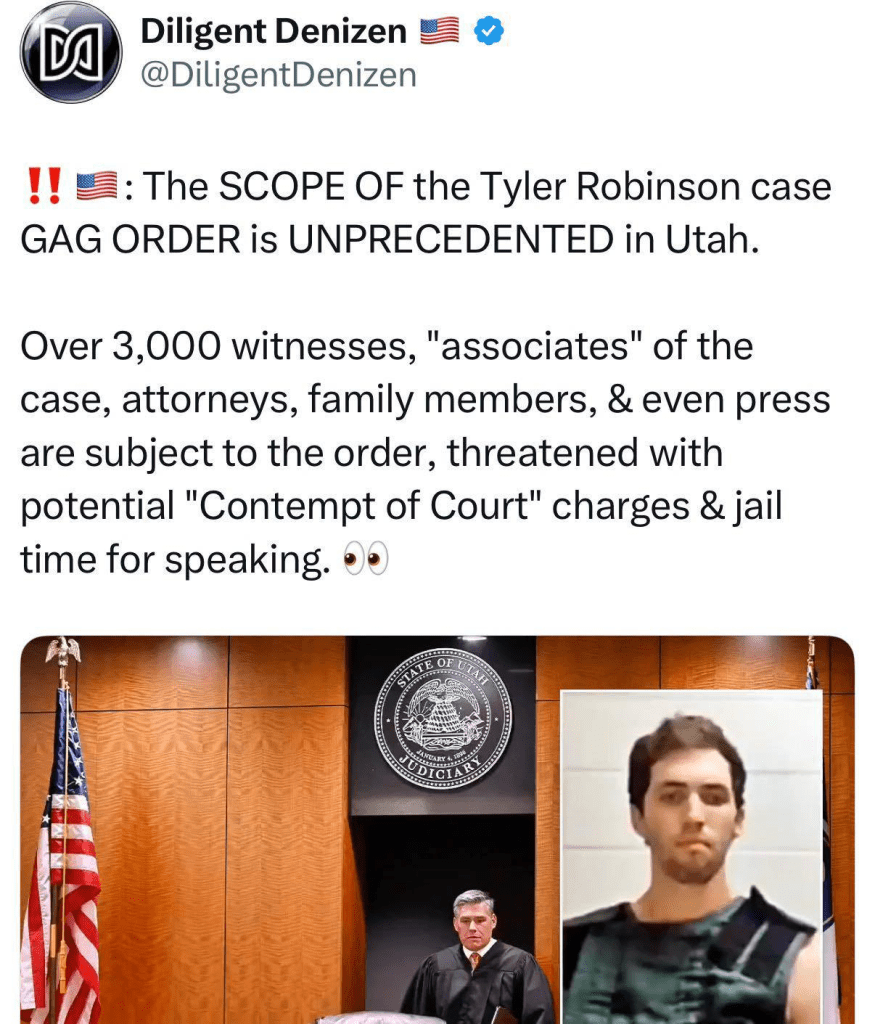
Issued by 4th District Court Judge Tony Graf shortly after charges were filed on September 16, the order prohibits anyone connected to the case from speaking to the media. Its scope is staggering: over 3,000 potential witnesses—including event attendees, unidentified bystanders from the crowd, attorneys, family members, associates, and even press outlets—are bound by it. Violators risk contempt of court charges and jail time, a measure prosecutors justified to shield the trial from prejudicial publicity. With President Trump publicly mourning Kirk as a “great friend” and media frenzy amplifying every detail, the court aims to preserve impartiality amid intense scrutiny.
Legal experts call this gag order unprecedented in Utah history, dwarfing typical restrictions in high-profile cases. Unlike narrower edicts in past trials, this one extends to unidentified witnesses once they surface in discovery, potentially ensnaring thousands in a web of enforced silence. Defense attorneys, fresh from Robinson’s second court appearance on September 29, declined post-hearing comments, exemplifying the order’s chilling effect. The brief 10-minute proceeding in Provo focused partly on refining the order’s wording, underscoring its complexity.
Critics, including commentator Candace Owens, have vowed defiance, labeling it an assault on free speech. Owens promised to “violate” the order on her platform, arguing it stifles public discourse on a case with national implications. Supporters counter that such measures are essential in death-penalty pursuits, where media distortion could taint jury pools. Judge Graf, emphasizing constitutional protections, pledged unwavering fairness, regardless of the audience—from local residents to the nation.
As Robinson’s team weighs evidentiary hearings and bail, the gag order symbolizes the tension between justice and transparency. In a state unaccustomed to such expansive judicial restraints, it raises profound questions: Does silencing thousands safeguard truth, or bury it? With trial preparations underway, Utah’s legal landscape faces a defining test of balance in an era of polarized attention.
References
- https://www.fox13now.com/news/shooting-of-charlie-kirk/tyler-robinson-makes-second-court-appearance-in-utah-county
- https://nypost.com/2025/09/30/us-news/suspected-charlie-kirk-assassin-tyler-robinson-avoids-showing-his-face-at-latest-court-hearing/
- https://www.npr.org/2025/09/16/nx-s1-5542545/utah-files-murder-charges-against-tyler-robinson
- https://www.uniladtech.com/news/tech-news/candace-owens-violate-gag-order-charlie-kirk-case-worlds-behald-218559-20251020
- https://www.youtube.com/watch?v=E4ciVxcHA2A