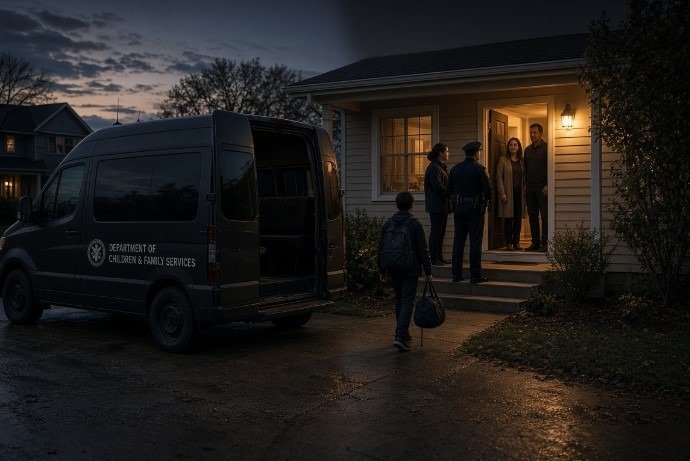
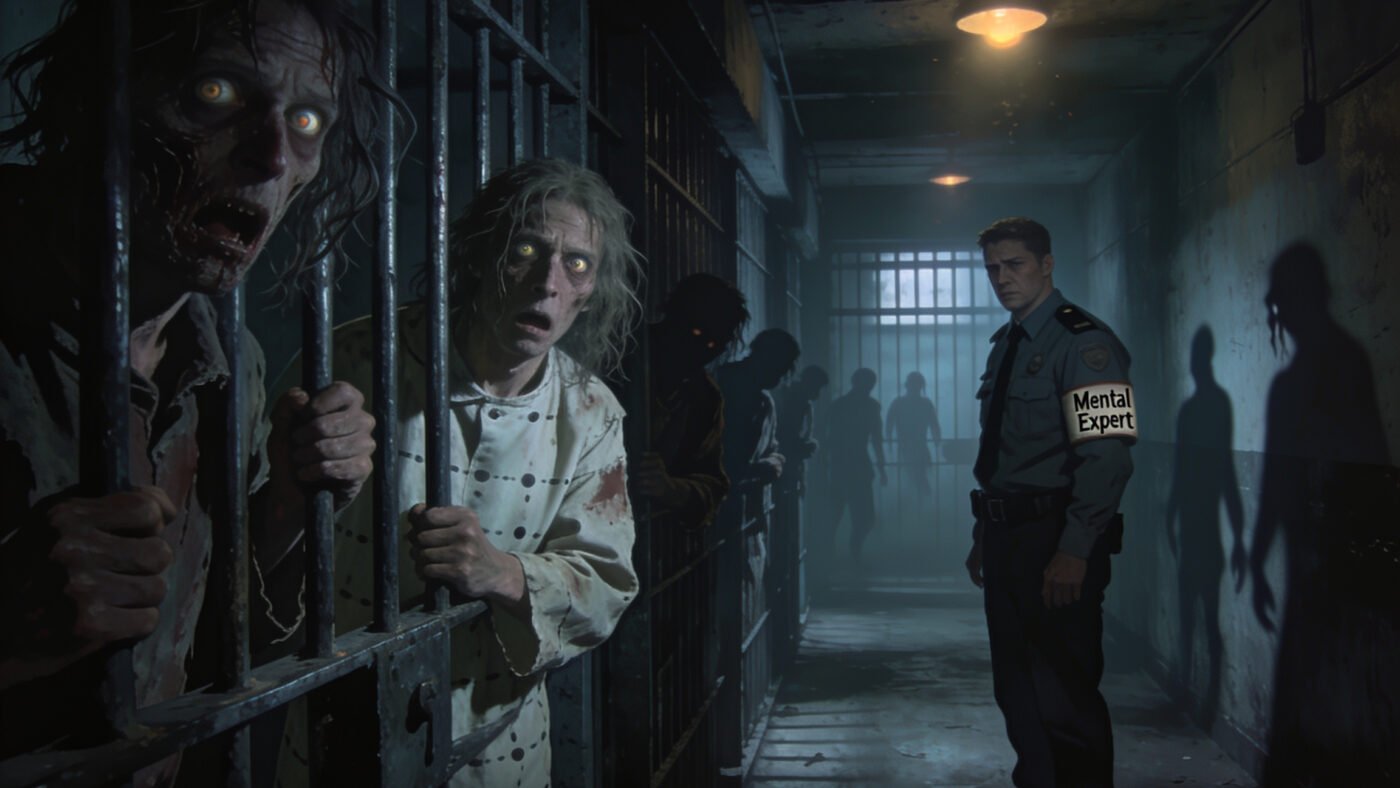
America did not lose its mentally ill. It relocated them. After decades of emptying state hospitals and selling “community care,” the United States now warehouses more seriously ill people in jails and prisons than in psychiatric hospitals. That is the core of the prison mental health crisis: the clinic has a waiting list; the cell has a bunk.
The business model is not mysterious. Specialists and health systems bill for scarce appointments. Patients who can pay wait months for a psychiatrist. Patients who cannot pay get a script. The script is cheaper than a bed. The next script is cheaper than a therapist. Stack enough chemicals and you can call it treatment.
The Lindsay Clancy murder trial in Massachusetts put that pipeline on the record. Court evidence showed Clancy received more than 30 prescriptions and about 13 different psychiatric drugs in the four months before her three children — Cora, 5; Dawson, 3; and Callan, 8 months — were killed in January 2023. The list presented in court and in contemporaneous reporting included sertraline (Zoloft), fluoxetine (Prozac), mirtazapine (Remeron), trazodone, amitriptyline, buspirone, hydroxyzine, diphenhydramine (Benadryl), zolpidem (Ambien), lorazepam (Ativan), clonazepam (Klonopin), diazepam (Valium), quetiapine (Seroquel), and lamotrigine (Lamictal). Defense lawyers call it overmedication and missed postpartum psychosis. Prosecutors say she jumped providers and did not take every pill. Either way, a mother in crisis was passed among psychiatrists, nurse practitioners, an ER, and a locked ward — and the people who wrote the orders are not on trial.
That is the pattern critics call the medical cartel: liability stays with the patient; revenue stays with the industry. If the cocktail fails, the family buries the dead. The prescriber keeps the license.
When the drugs and the waitlists fail, the last open facility is the jail. Sheriffs have said for years that more seriously mentally ill Americans live behind bars than in hospitals. Officers — not psychiatrists — now run the night shift. Many departments add a short crisis-intervention or de-escalation course, sometimes eight hours for detention staff, sometimes a two-day corrections CIT, sometimes a film and a facilitator guide. It is not a residency. It is a patch so the public never has to look at the empty hospital wing.
The death roll is not a rumor. It includes Cora, Dawson, and Callan Clancy. It includes the five children of Andrea Yates, another postpartum-psychosis case that became a national scandal and still did not rebuild a functioning inpatient system. It includes the unnamed thousands who die by suicide in custody each year, people whose last “provider” was a guard with a checklist.
A country that treats psychosis with a 15-minute med check and then a booking sheet has not solved mental illness. It has outsourced it to the cheapest locked room left.-WAA
References