Iran’s New Hormuz Ship Registration Rules and Proxy Pressure in Lebanon: Calculated Leverage or Suspicious Timing Amid US-Iran Ceasefire?
In early June 2026, Iran implemented a new system requiring commercial vessels to register online and obtain pre-approval for passage through the Strait of Hormuz via its Persian Gulf Strait Authority, with processes tied to IRGC-linked channels. This move asserts greater Iranian control over the vital oil shipping chokepoint, coming after the U.S. imposed a naval blockade on Iranian ports in April 2026 during the ongoing regional conflict.
At the same time, Iran’s key proxy Hezbollah has sustained or intensified pressure in Lebanon. Despite U.S.-brokered talks and partial ceasefire understandings between Israel and the Lebanese government, Hezbollah rejected key frameworks, continued rocket and drone activity, and engaged in fresh exchanges that prompted Israeli strikes in southern Lebanon even as a broader U.S.-Iran deal took shape.
The timing stands out. These developments unfolded as the United States and Iran finalized a memorandum of understanding for a ceasefire across fronts—including Lebanon—mediated by Pakistan, with initial signing around June 17, 2026, and formal steps set for June 19. The deal aims to end the 2026 Iran war that escalated earlier in the year, lift the blockade, and reopen Hormuz traffic. U.S. midterm elections loom in November 2026; a Trump administration-brokered peace could carry political weight.
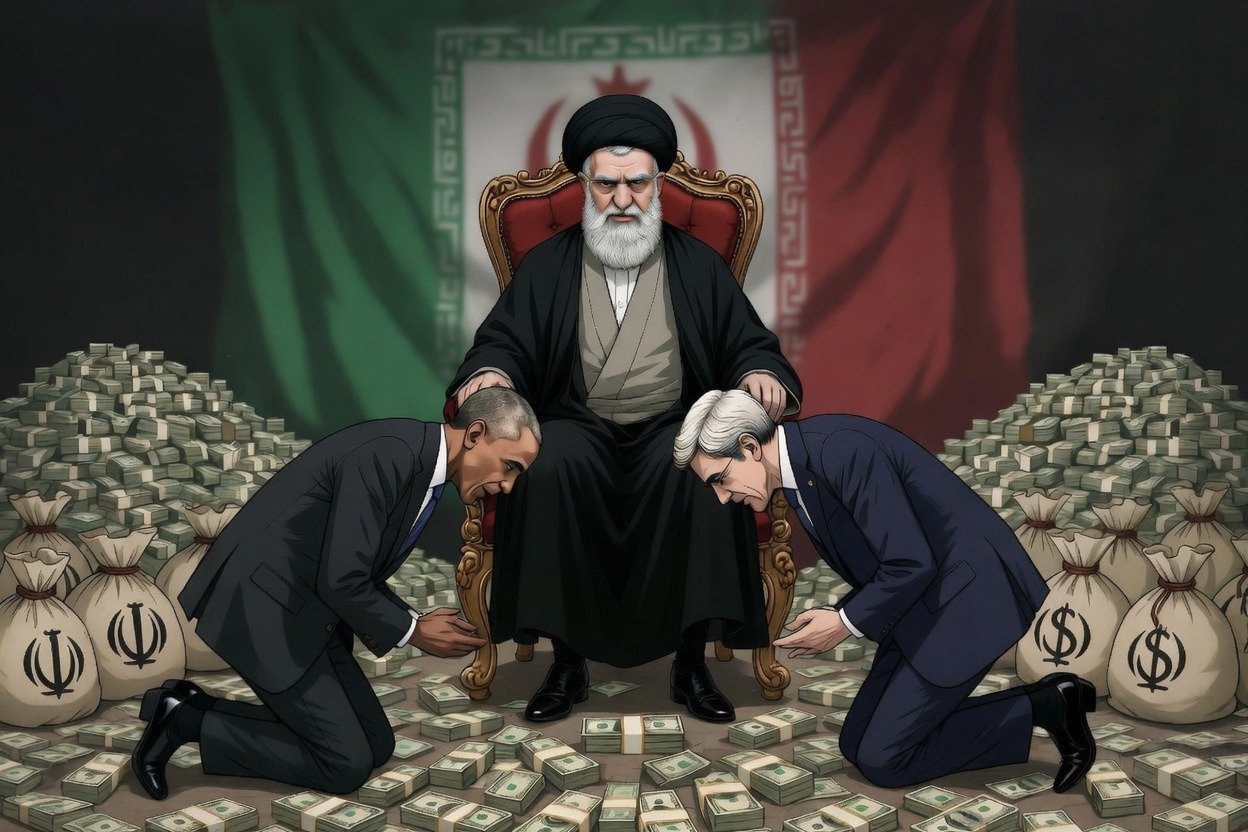
Some observers, particularly those skeptical of past U.S. Iran policy, question whether the moves represent more than standard bargaining. Iran has long used proxies like Hezbollah for asymmetric leverage and has history of testing resolve during negotiations. Critics point to the 2015 JCPOA negotiated under President Obama and then-Secretary of State John Kerry, which many viewed as overly concessional to Tehran. Kerry has remained publicly engaged on Iran issues, recently commenting on the conflict and past diplomacy.
This has fueled speculation in certain circles about lingering “Obama-era” or “deep state” networks influencing events to complicate a Republican-led peace process or shape outcomes favorable to Democrats ahead of midterms. However, no credible public evidence supports claims of a coordinated shadow government operation directing Iranian or proxy actions from former U.S. officials. Current U.S. policy—including the blockade, strikes, and current ceasefire push—originates with the Trump administration.
A more straightforward analysis views Tehran’s actions as classic realpolitik: registering ships and collecting potential fees strengthens sovereignty claims and revenue, while proxy activity improves negotiating leverage before final terms solidify. Such tactics are common when parties seek better deals or test enforcement of emerging agreements.
The developments highlight the fragility of the new ceasefire. Whether driven purely by Iranian strategic interests, internal regime dynamics, or attempts to influence U.S. domestic politics, the coming weeks will test implementation—especially regarding Lebanon—and how any final agreement affects regional stability and American energy prices heading into the midterms.
References (for further reading):
- Iran ship registration system: https://www.iranintl.com/en/202606021088 and https://www.wbaa.org/2026-05-14/iran-implements-new-system-to-collect-fees-from-ships-in-strait-of-hormuz
- 2026 U.S. naval blockade context: https://en.wikipedia.org/wiki/2026_United_States_naval_blockade_of_Iran
- Lebanon/Hezbollah developments and recent clashes: https://www.cfr.org/global-conflict-tracker/conflict/political-instability-lebanon and recent Al Jazeera reporting on post-deal strikes
- U.S.-Iran ceasefire/MoU details: https://www.cnn.com/2026/06/18/world/live-news/iran-war-trump-israel-lebanon and Wikipedia timeline on 2026 Iran war ceasefire
- Kerry comments on Iran policy: https://www.wgbh.org/news/politics/2026-04-09/john-kerry-tells-gbh-that-iran-war-has-been-a-long-held-dream-of-netanyahu